

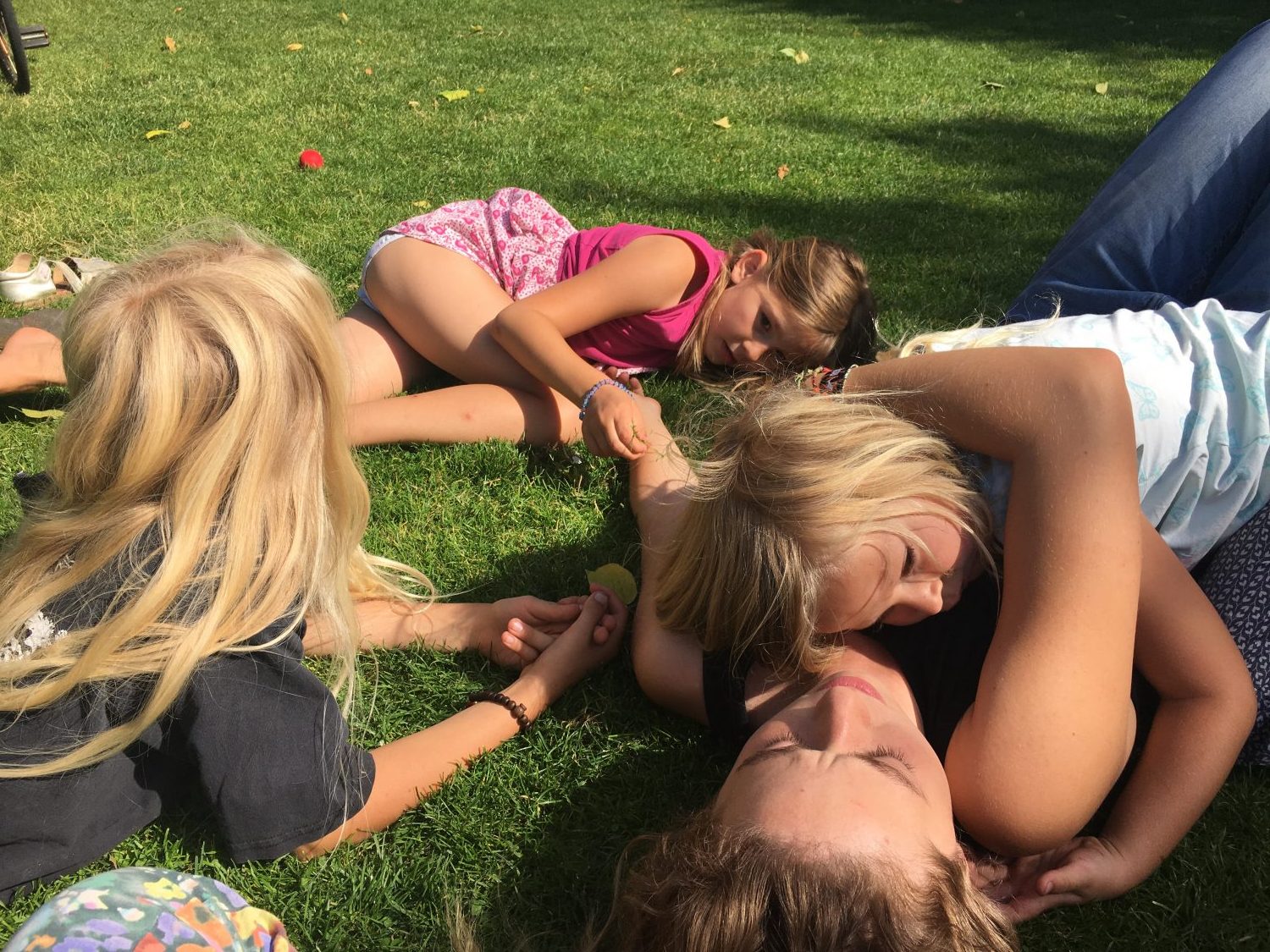
It is interesting, isn't it, that we humans probably aren't really anything without each other. On unschooling, unconditional love, the power relations of school, the relational nature of the subject, and wisdom. Nothing less.
At the centre of our choice of unschooling
Unschooling, for me, is not about method. It is not about whether I demand the seven times table, or how long we sleep, where and when we take a weekend, and certainly not about our relationship to the state's more or less explicit demands on the content of our lives.
So that's that. Then I have said nothing. But still. Set the scene.
Unschooling in our home is about The Good Life, about existence, about what it is all about. The crucial thing about unschooling is that both children and adults unfold the most important elements of life as wholeheartedly and completely as possible. The crucial thing is to carry yourself, and to be in your important relationships. To be able to exist on the premise that unconditional love – the mutual, inspiring, respectful relationship between people – is the home ground we live in. And for. That is what you will come to regret on your deathbed if you don't put your whole soul into it: the relationship with yourself and all the other important relationships.
In the end it is crucial on every level of life; it is what it is all about AND where it all happens. Relationships, that is. The relationships with the most important people in our lives, ourselves included.
It is relationships we fall back on.

Of course we have projects, crises, work tasks, states that we live out, cope with, unfold. But relationships are what is absolutely crucial, both for the success and wholeness you can experience in all the other elements of life, and for the experience it is to unfold them.
Both my children and I have allowed ourselves to live first and foremost in unconditional love. That is where we stand; that is where we are.
It is interesting, isn't it, that we humans probably aren't really anything without each other. It makes sense to think and talk about the relationship with yourself, who we ARE inside ourselves, what we carry with us as subjects, what we can do and know – but if you dig a little, it turns out that we have our history of relationships, that we learned our relationship with ourselves from relationships, that we can do what we can do because we learned it from someone, developed it in relationships, and that everything we can achieve as subjects, we do well or badly on the basis of the relationships our lives fall back on.
There is nothing as futile as loneliness. Nothing as horrible as unhealthy relationships. Well, maybe a few things. Certain illnesses or compulsions, but let the argument float.
We are what we are when we have each other. Done and dusted.
Without each other we are nothing. A snowflake in a winter wind.

That is why any kind of schooling outside the frame of the family is a puncture of what is, as I see it, the most crucial element of unschooling: that we live close to each other, in our unconditional love, deep respect, mutual inspiration. Schools split families apart, and therein lies their most violent poison. But also their power. When you split families apart, you remove the strength that grows in people who love each other, the independence that grows from belonging and being together, and the stamina that grows from always having support. Real support, not technical acknowledgement.
So. Now it is said. That is what it is all about when we unschool in our home. The big picture.
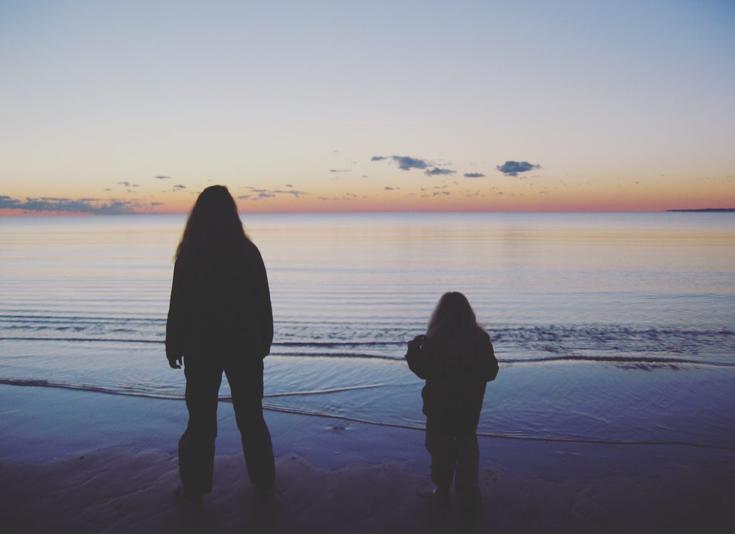
What we learn along the way is of lesser importance; we pick up the stones on the beach that are beautiful, we solve the tasks that present themselves to us, we develop the talents that burn and dance in our hearts and brains; we do what makes sense – and as a by-product we learn all sorts of things.
We live intensely and together every single day. Not as if it were our last day, but with the knowledge that we have nothing to regret. And we learn as if we were going to live forever, as Gandhi supposedly said. Our brains are hungry. But sometimes the laid-back muscle is hungry too – the one that needs time to look properly at the mountains, soak up the sun, hug a lot, feel our toes and think a few flying thoughts all the way through.
Andalusia, 25 May 2017
Written by Cecilie Conrad. Translated from Danish. The original article is available at CecilieConrad.dk.






Comments