


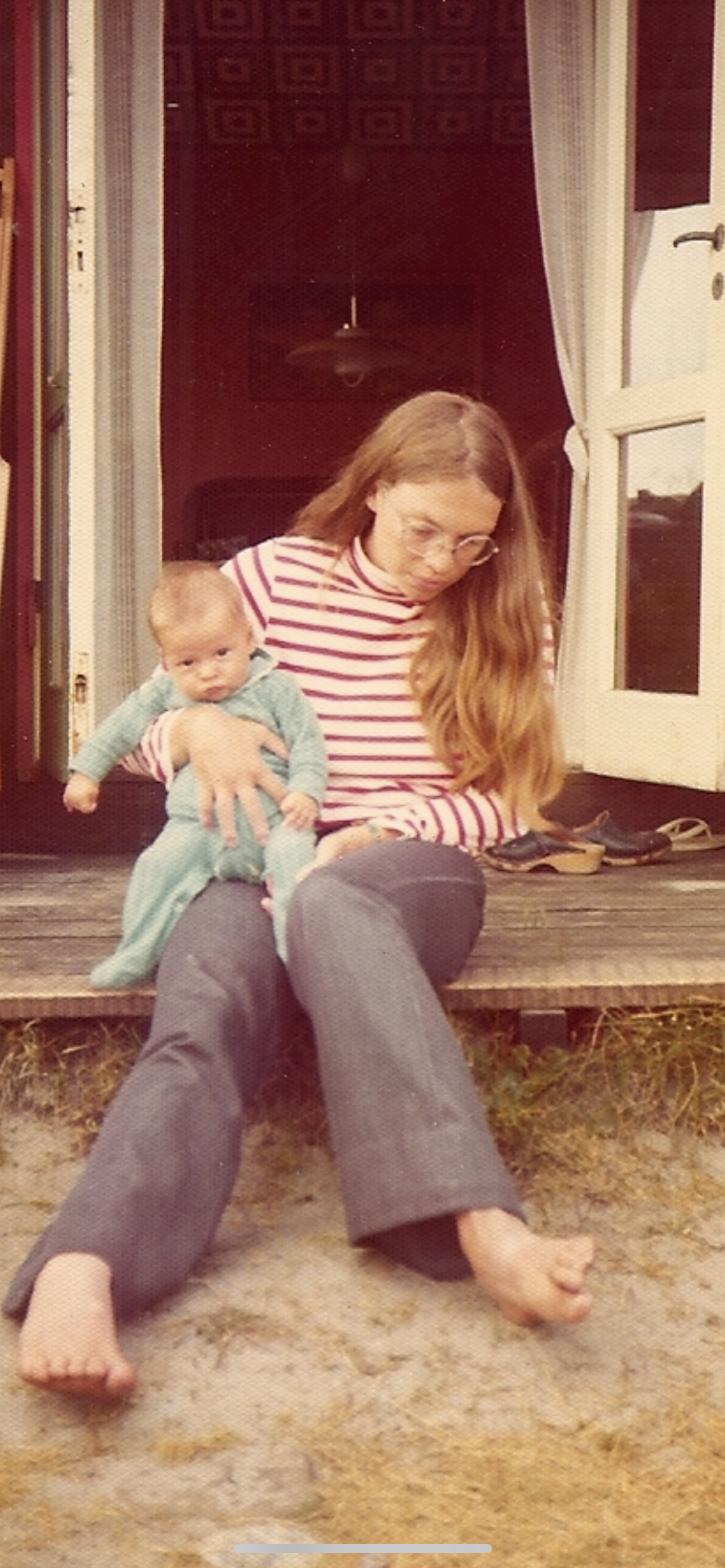
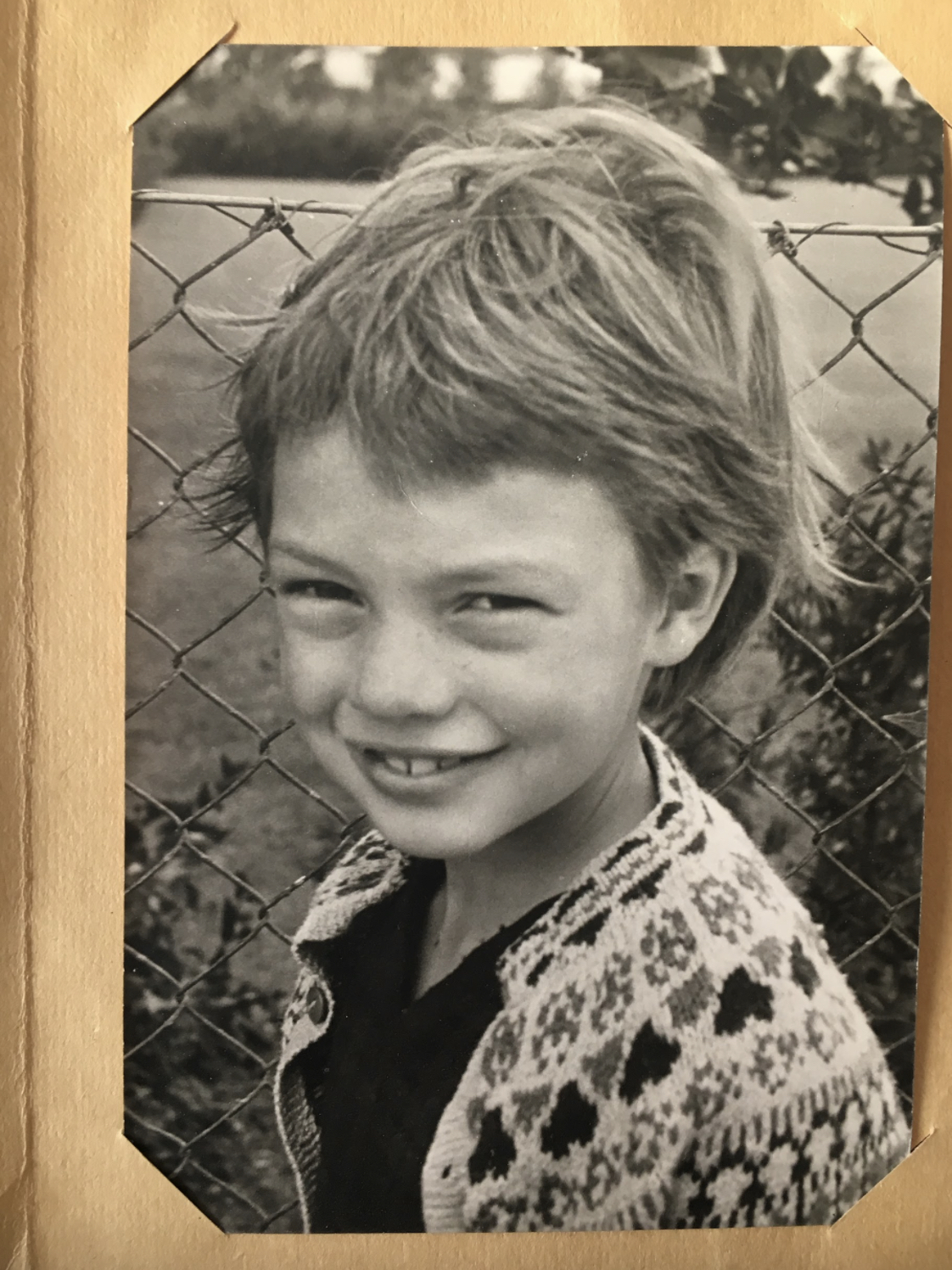
My mother was born on the 24th of January 1952. It was just after the war; my grandmother, being an old-school woman who respects any authority, stopped breastfeeding after only a few days, a doctor's advice. My mother was bottle-fed with cow's milk and cornstarch from her very early days.
She was sick all of her life. She had a skin disease leaving her unsettled, restless, frustrated, and in pain. When she was only a year old, she was hospitalized for several months. Her skin was in such bad condition it was believed the hospital would do her better. They tied her to her bed, so she would not scratch the wounds.
I am not sure if she got any better. 1950s hospitals were not for children. My grandmother was not allowed to visit very often. Children would cry so much when the mothers left, so it was considered better not to have the parents visit.
I find it so hard to believe anyone believed in this. I studied psychology for ten years. The history of developmental psychology can not show me a logic that would point to a policy like that!
Moving on 25 years:
In my childhood, my mother's eczema was its own character, almost like an extra person in the storyline. Sometimes it would fill the room with its large voice and extreme personality - unpredictable and loud - sometimes, it would silently wait just out of sight. My mother would wear white cotton gloves. She would use very oily creams, or medical ones with hormones dangerous for us kids to touch, or black ones with tar. Sometimes her hands would just be open wounds. And she would cry.
Most often, she was stronger than that. She would not talk about it, not complain, just keep going. She would read her novels, smoke her cigarettes, solve the crosswords, correct everyone's grammar, swear with old-school swearwords, comment on everyone being plain stupid, enjoy the flowers, have a bit of licorice and a lot of red wine, share candy with my husband, adore her grandchildren.
My mother died on the 13th of April 2019. I miss every bit of her every day.
Written by Cecilie Conrad.
Read the article in Danish at CecilieConrad.dk.










Comments