


Before you get too excited, there is no known (to me) connection between the two. No juicy stories. Just the same city.
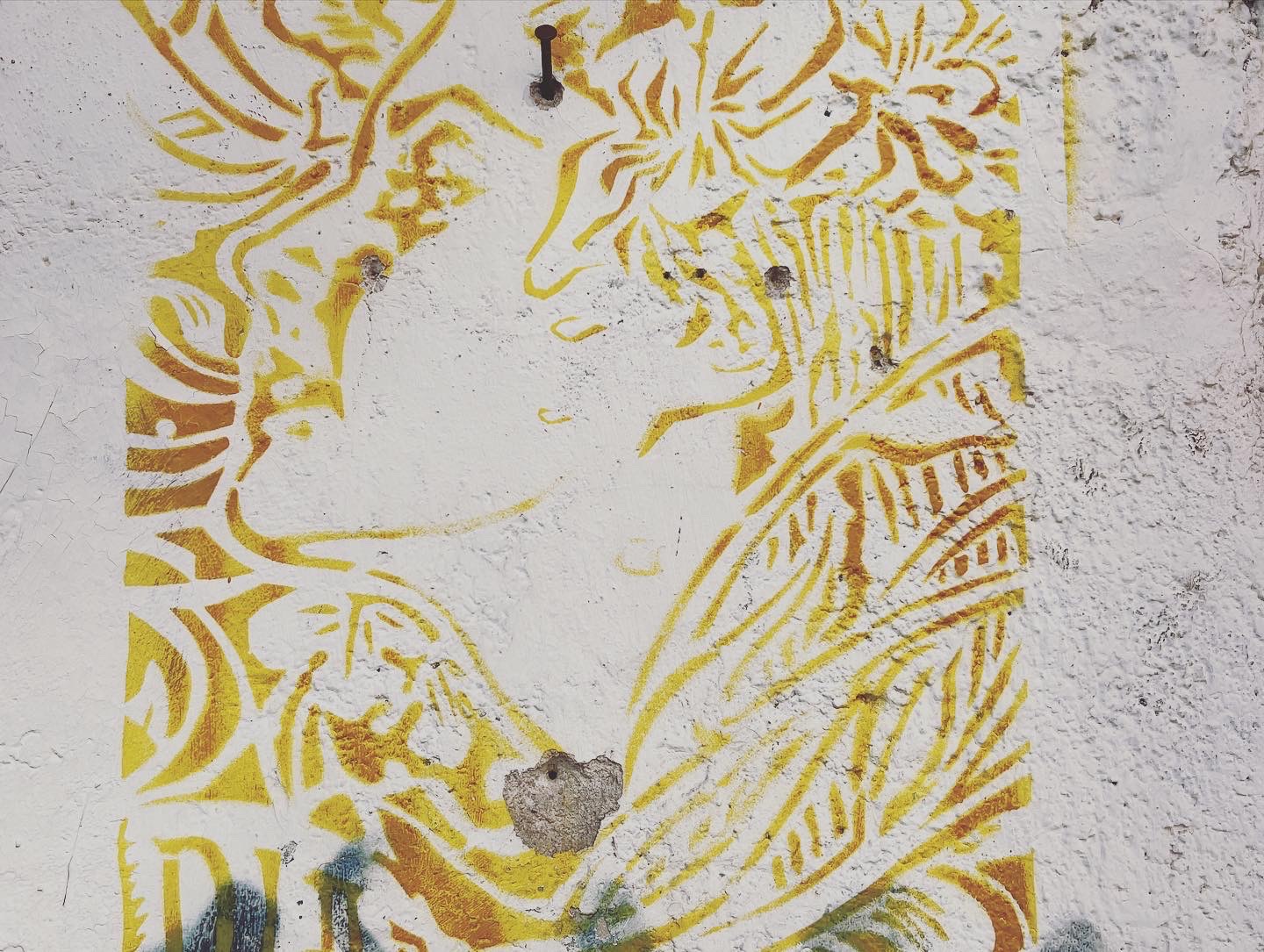
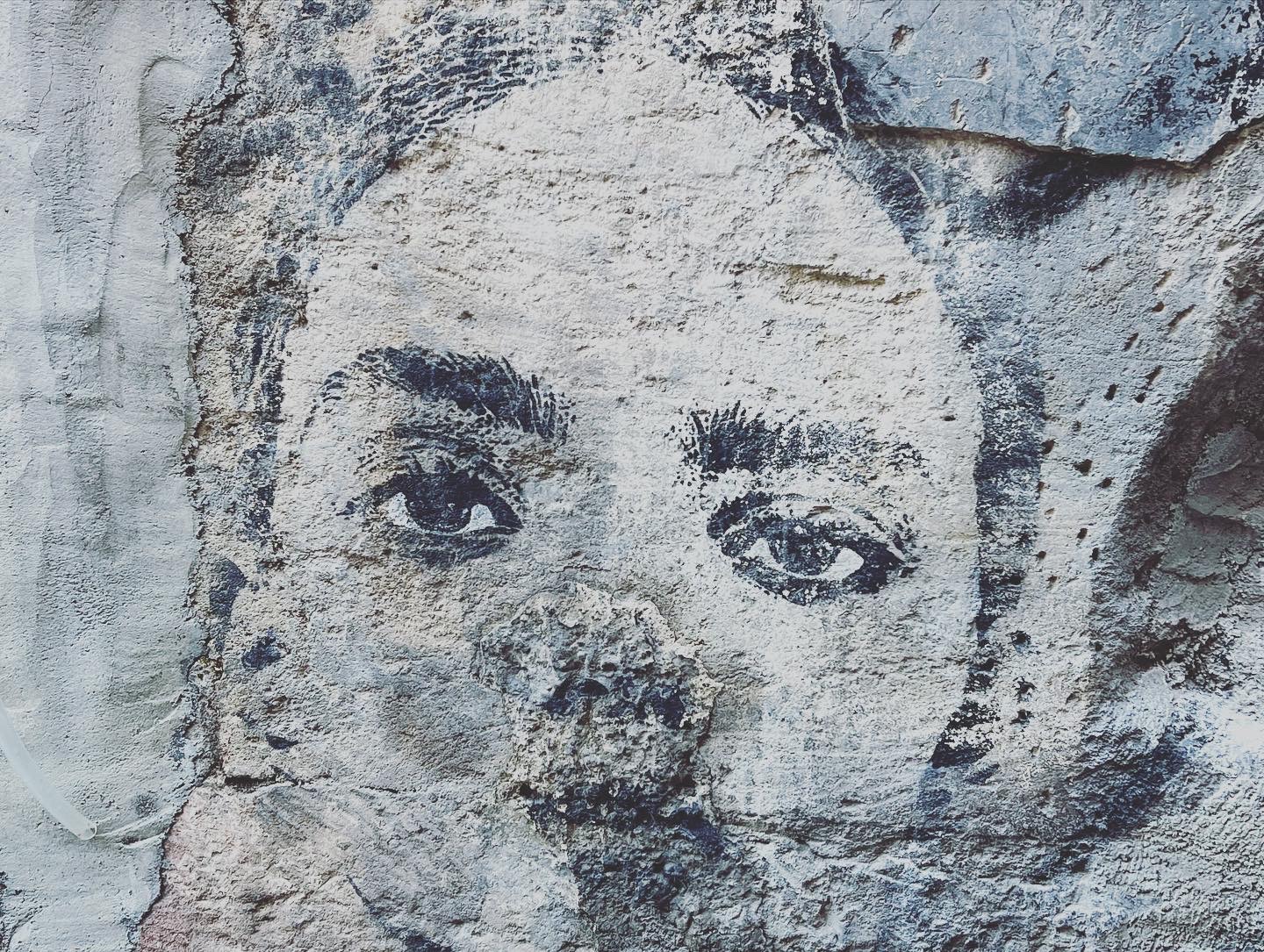
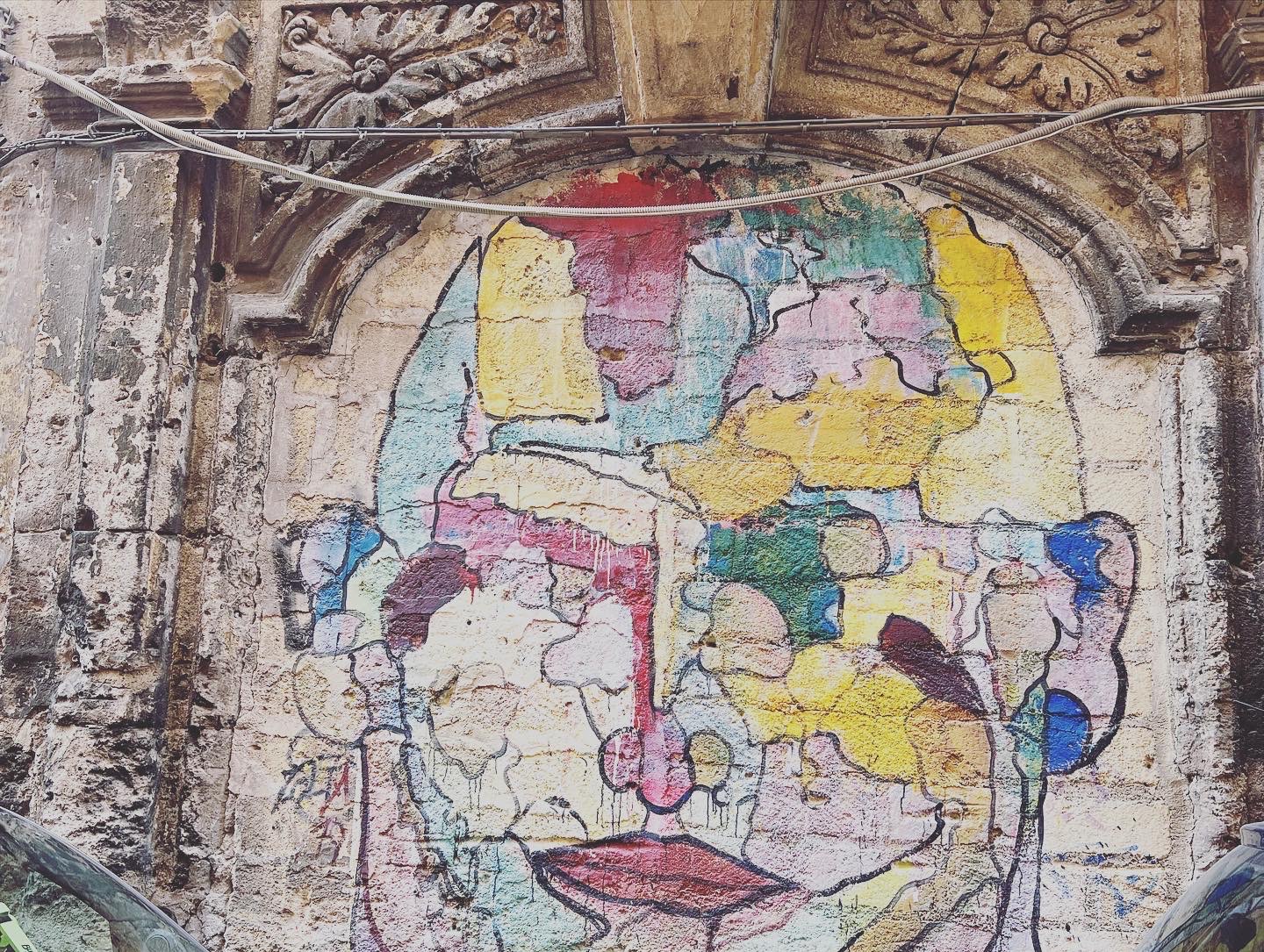
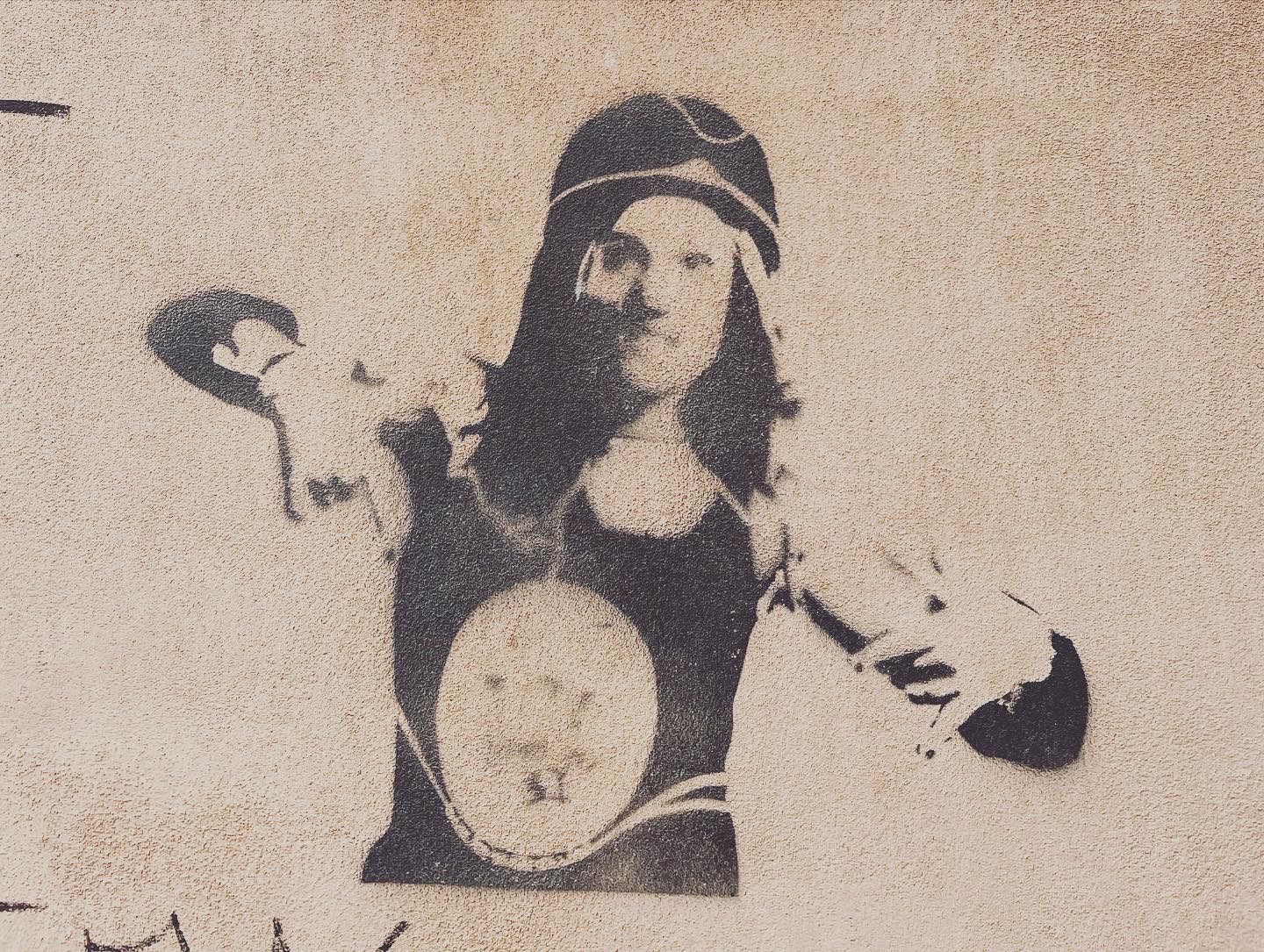
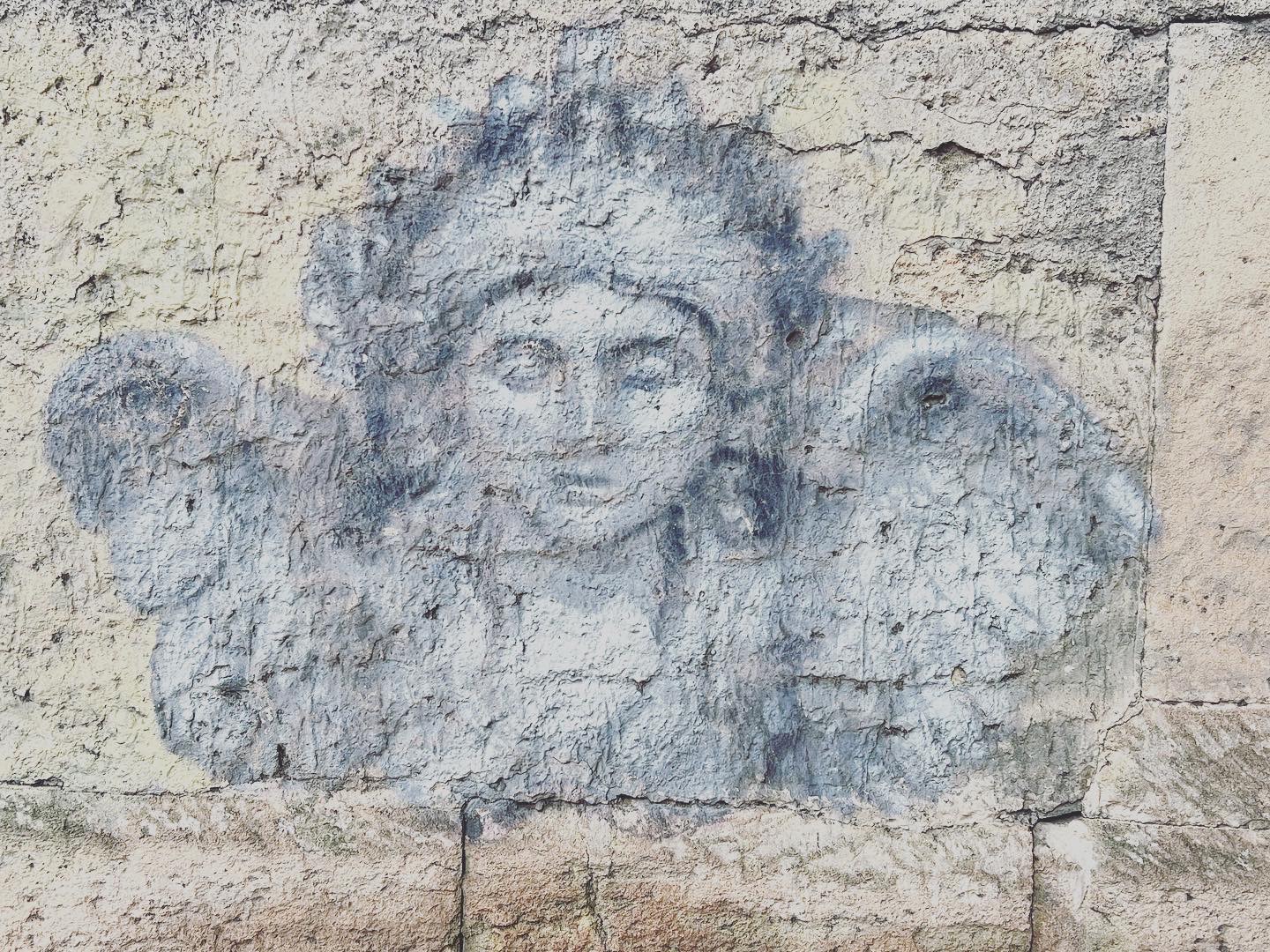
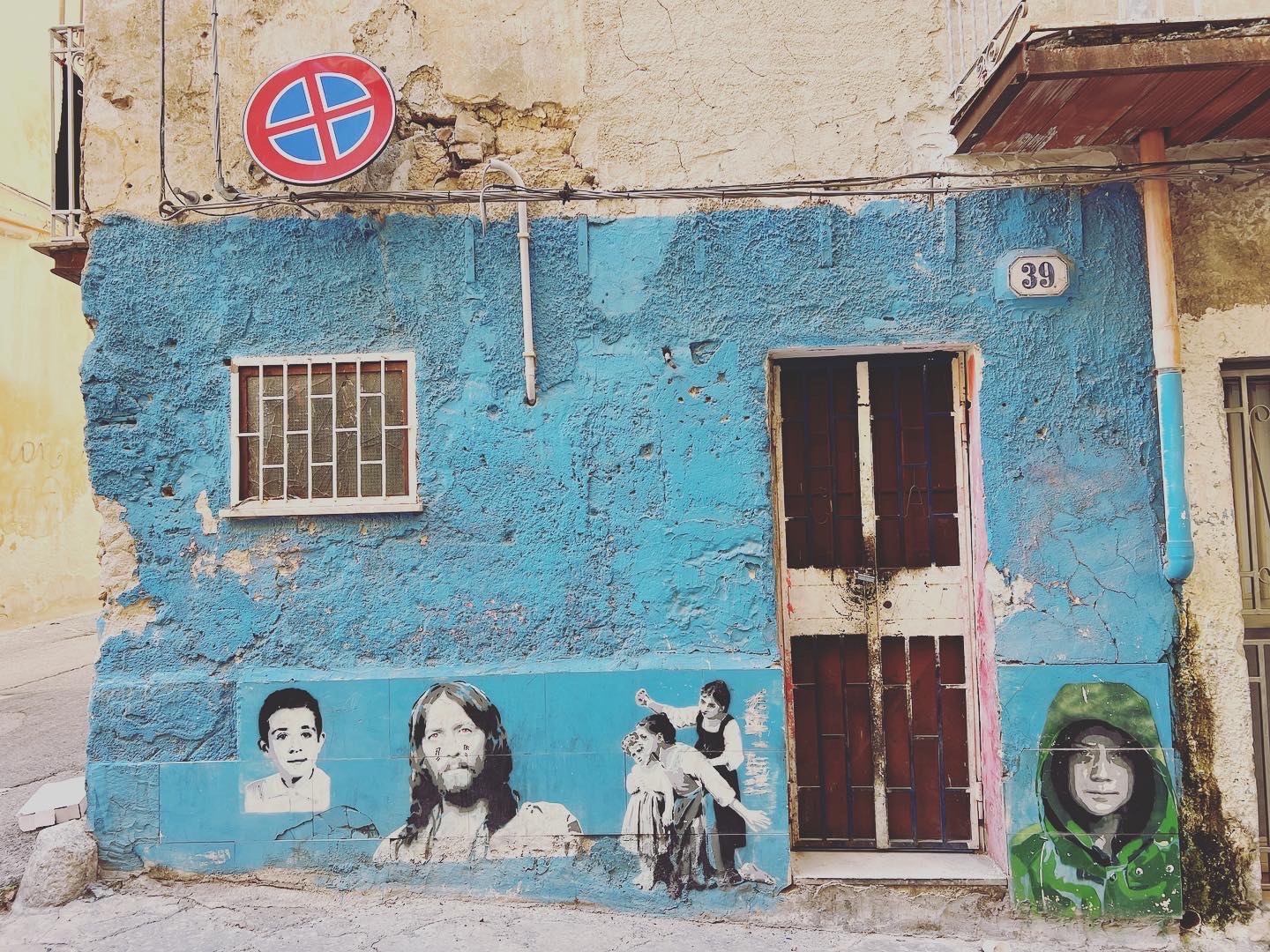
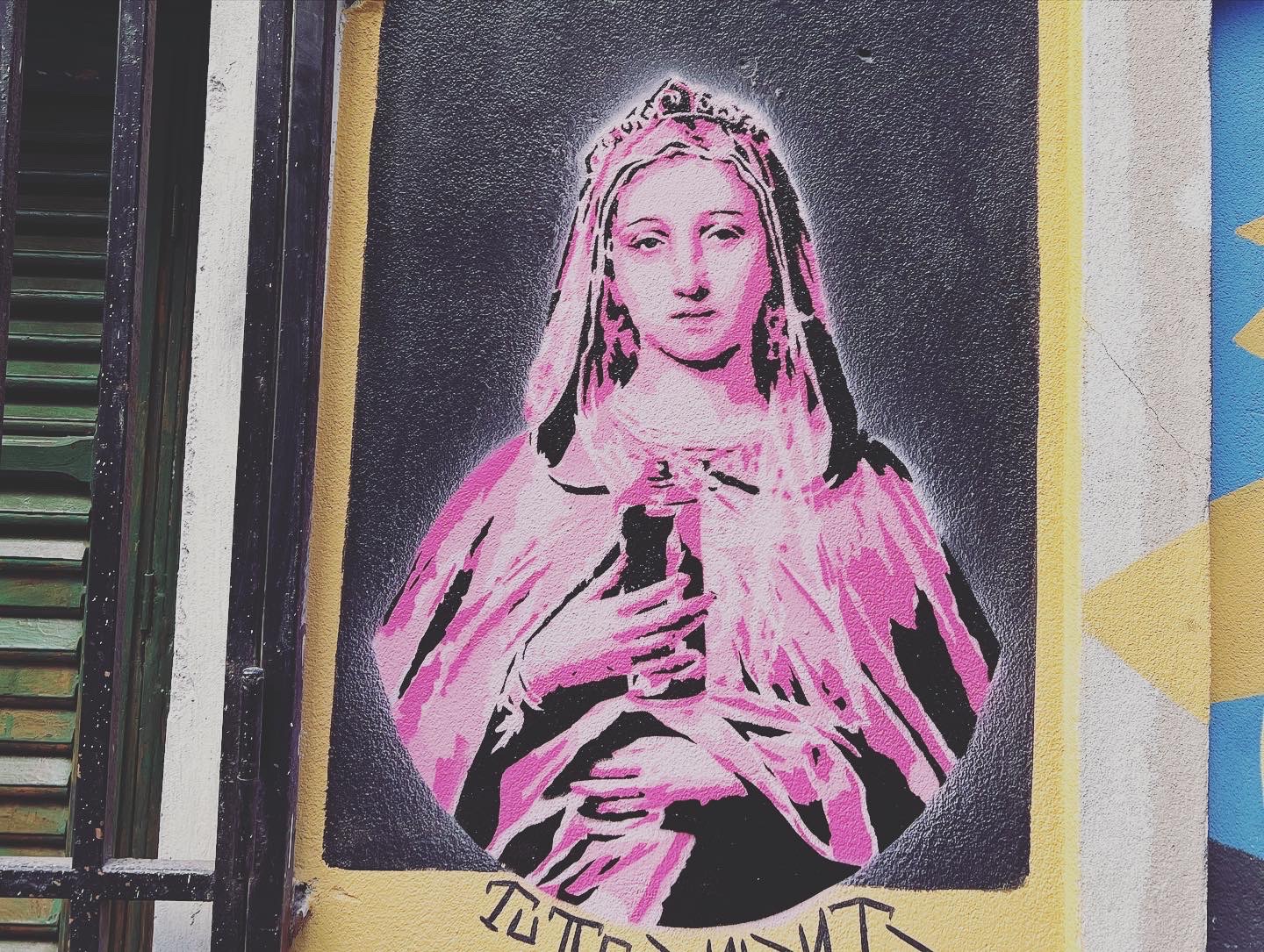
Our second day in Palermo was a good day for my love of street art. I am not a very organized person, I do not plan much. One of the reasons I love street art so much is that it just happens. I have yet to plan a street art walk. We always just enjoy it when it presents itself. It is a good reminder that life will happen if we allow it.
What I love even more about street art is the anarchy. This is artists taking action, creating exhibitions piece by piece, leaving public spaces more interesting and inspiring for everyone who passes by.
I am a big fan of art in general. I think enjoying any kind of art opens our human experience to a state of mind so much more humble, inspired, and kind than when we forget about it and just do our thing. Art will push our balances, change our perspective, open our structures, challenge our axioms, and show us that everything is so much bigger and so much more complex than we can grasp.
I enjoy art museums, and I understand the importance of keeping great pieces safe. But I like the raw presence of street art. The vulnerability. The just-do-it. It is of course frustrating when a great piece is ruined by some idiot, but it is part of the game. This too is a great reminder of our vulnerability to each other and to the fact of time.
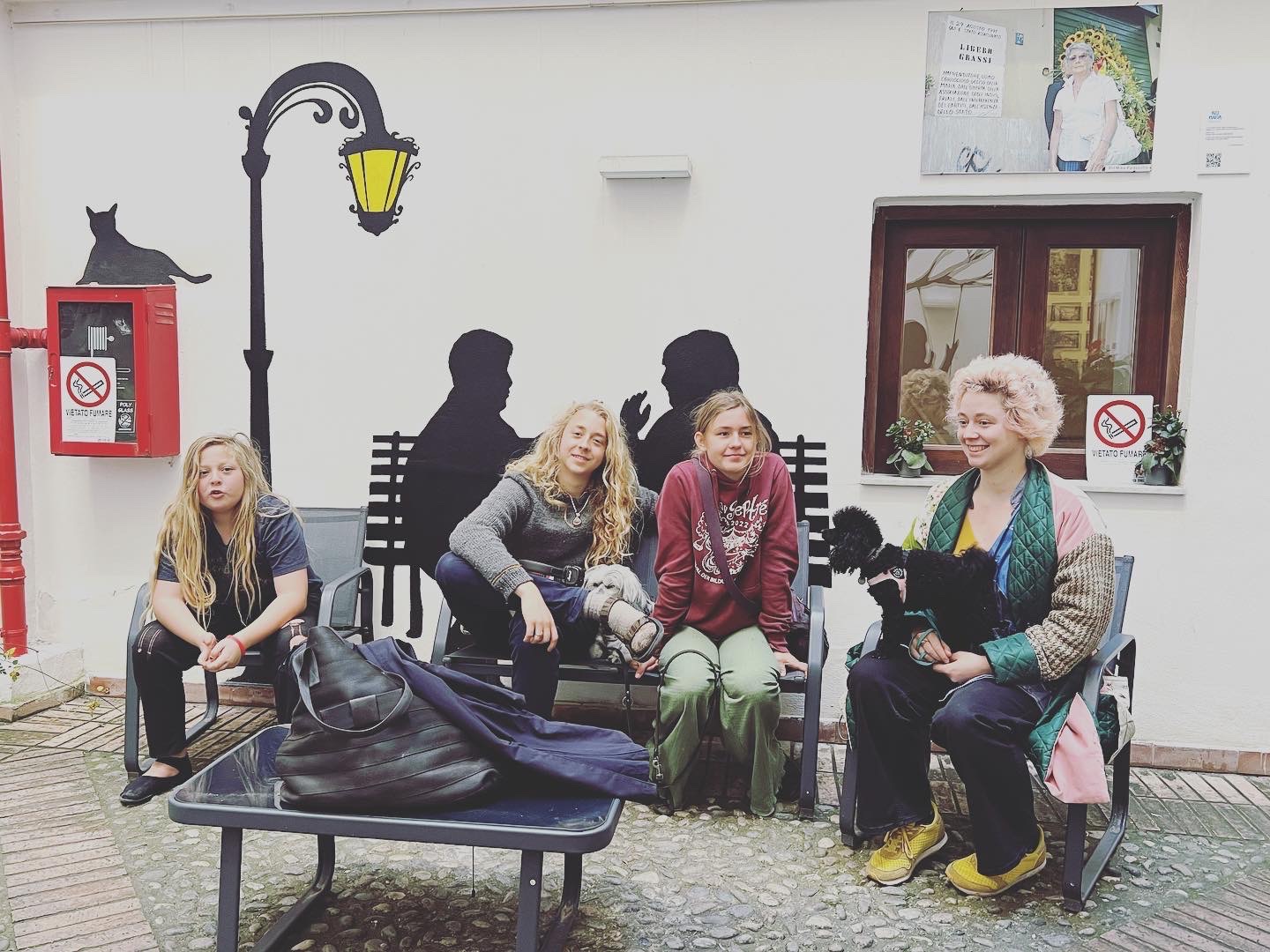
So, walking the streets of Palermo between the botanical garden, the pizza, and the Mafia Memorial museum, we appreciated all the artists of Palermo who had decorated the fine city.
The other big element of the day was the dive into the history of the Sicilian mafia at the No Mafia! museum. It is mostly a photo exhibition, brutal and iconic in many ways, but unfortunately poorly communicated. We would have loved to learn more.
There is some mirror-in-mirror effect when thinking about the secret yet obvious elements of the two, of the street artists and the history of the mafia, both present in this very special city.
Written by Cecilie Conrad.
Read the article in Danish at CecilieConrad.dk.








Comments