

More about homeschooling. Welcome to my world.
The first round of questions has already rolled in after the article "Homeschooling: What kind of hippy is that?" – and I would like to share. So this article is a Q and A.
Question 1. Are there exams?
Yes. And no. You choose. There was so much I didn't know before I took some of my children out of the school system. For example, that the final exam of the Danish public school is voluntary. In Denmark, education is compulsory, exams are not. In fact, it's the other way around. In fact, you have the right to take the final exam and get a paper showing what you have learned. So whether there is an exam after ten years of homeschooling is pretty much up to the family.
You can ask to have your child examined at the local school and get the same paper as the neighbours' kids. You can also make your own exam, if you like. Most people will probably skip both. If you want to continue in a traditional school system, in upper secondary school, you can get in through an entrance exam, which for most is far more relevant, and therefore more motivating, than an exam.
In our family, we actually don't think about The Endgame at all. We live our lives to live the good life here and now. We are completely sure that this life is the best one for our children, in the short run and in the long run.
Question 2: Or how do you make sure they learn "what they need to"? Is it "just" based on full trust in yourselves and, not least, the children?
Well. It is very complicated, and our relationship with it keeps getting more nuanced. But the short answer is: Yes. Yes, we have full trust. Not in ourselves, not in our children, but in the process that life is.
We feel very sure that our children's adult lives will be as different from ours as … well, as looking a couple of generations back. My grandmother boiled the laundry in a huge pot, and there were horse-drawn carriages in the streets of Copenhagen. Nobody back then would ever have guessed that she would one day be enjoying Facebook on her iPad. And studying Latin with clever apps.
In the same way, we have no way of seeing into the future that will be our children's reality, when the world is theirs and it is our turn to be old.
So we cannot know what they "need to learn".
But we can know that they learn. On the whole, we don't make demands about what they should learn. Instead, we make ourselves available as catalysts. Or partners. We answer questions, find materials, trips, challenges – or make sure they get discovered, and that we adults can be bothered to explore them too. It is very much about presence, about being together in life.
We are not strategic, we are not super teachers, we are hungry to live an interesting life, and we find all kinds of knowledge wildly interesting. So we explore and investigate, we travel and experience, we build and sew and paint and do breathing exercises, read articles and play games, always on our way towards new horizons. The children's passions are taken seriously, whether it's Alfie Atkins, Latin, sea eagles, Minecraft or baking cakes. Their passions are just as valid as ours, and we feel sure that the intelligent, curious, enthusiastic, persistent, wholehearted attitude is the very best teacher and the very best curriculum.
Of course there are all sorts of things we think would be good and edifying and interesting for our children to learn. On many levels. Academic and all kinds of others. And of course we introduce what we find good. But we don't shove it down their throats. That is the big difference from school. We introduce, and we follow up if it catches on, and let it be (for another time, maybe never) if it doesn't. There is no need for all people to know and be able to do the same things, so there are very few elements that are non-negotiable.
Question 3. Is there supervision from the municipality?
Yes, there is. How it works varies a lot – it depends entirely on the supervisor and on the collaboration. If you are seriously considering homeschooling in Denmark, I think you should read frilæring.dk (in Danish), where these processes are well described. And if you join the homeschooling association on the site, you will meet massive support from fellow homeschoolers, exactly when it comes to supervision.
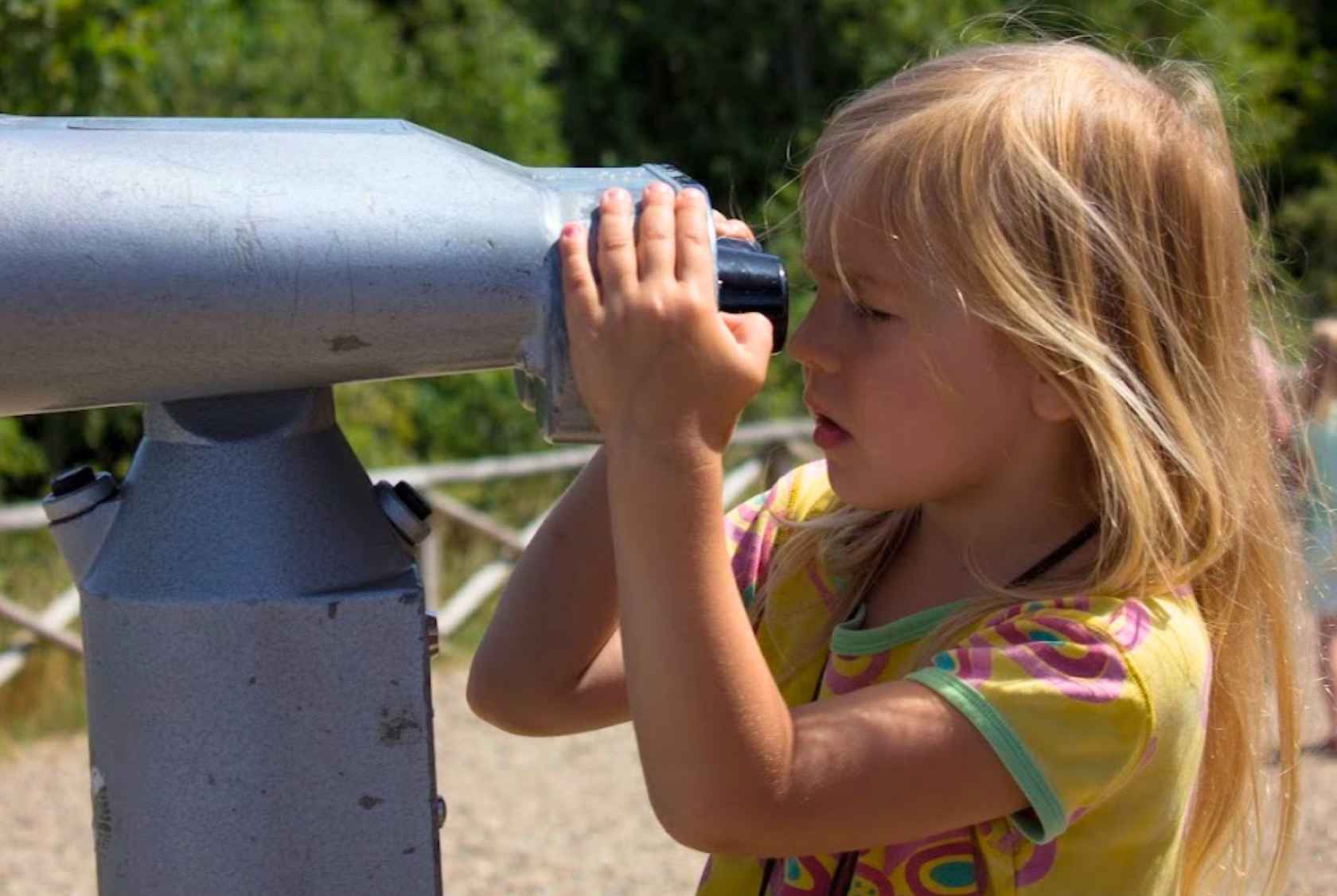
Question 4. How and where do the children meet friends, when it's not at school, which is otherwise the obvious place?
A long time ago, I wrote the article about homeschooled children and socialization, which touches on this subject. So I recommend reading that one. Here I can briefly reveal that
- Children (like adults) don't need to be with their friends ten to twelve hours a day.
- Children (like adults) enjoy freedom and peace
- Children (like adults) make friends in the communities they are part of. If you are homeschooled, those are other communities than if you go to school. The homeschooling network is strong, but the nearest homeschooling family can be far away. But otherwise there are children in the neighbourhood, among friends, in the scouts.
But most important of all: when you stop dropping your children off at an institution, friendships stop being so intensely important, because you are together all the time. I have three children at home, and they really enjoy each other, so of course I can only speak from that. But bottom line: Yes, they were very happy with their friends when they were in daycare. Now they are still very happy with their lives. Actually, more so.
But do read the article about homeschooled children and socialization. It's really good. If I may say so myself.
Question 5. What thoughts have you had about life after homeschooling – if, say, upper secondary school is the first institution they meet, it will probably feel quite different?
Short: None. We are not worried. We believe that when our children live a meaningful and joyful and safe and happy life NOW, the future is bright. We do not believe in toughening children up for an evil future. We don't believe the future is evil.
Yes, there will be changes in life. There certainly are in a home-based childhood too. But our children will learn to tune in, learn to say yes and no, and they will be able to feel whether an education, a job, a context is the right one for them. That is a powerful skill. But well. Basically just something I think, now that I'm being asked.
We live in the now. And right now, this is exactly right for us. Don't forget that we have one more child who is thriving in school. We are not against school. We are not against difference and change. We are for the good life. Every day. Always.
As some of you will know, I am a cancer survivor (in Danish), and that puts things a bit in perspective. We don't live a strategic life to land in a certain place in ten, twenty, thirty years. We live our lives every single day, because that is what it is all about. And we make sure that we all get to live a life that is meaningful, joyful, fun, present.
Question 6. Did the children choose for themselves?
Yes. Short and sweet, yes. The long story of our road to the decision to homeschool doesn't belong here. The short story is, yes. Very much so, yes.
I will stop here, completely knocked out by the flu – I figure it can be used for something. Back when I had to decide, I devoured everything in the whole world on the subject, because it truly IS very far outside the box, this homeschooling thing. Don't hesitate to ask more. I – still – love to share.
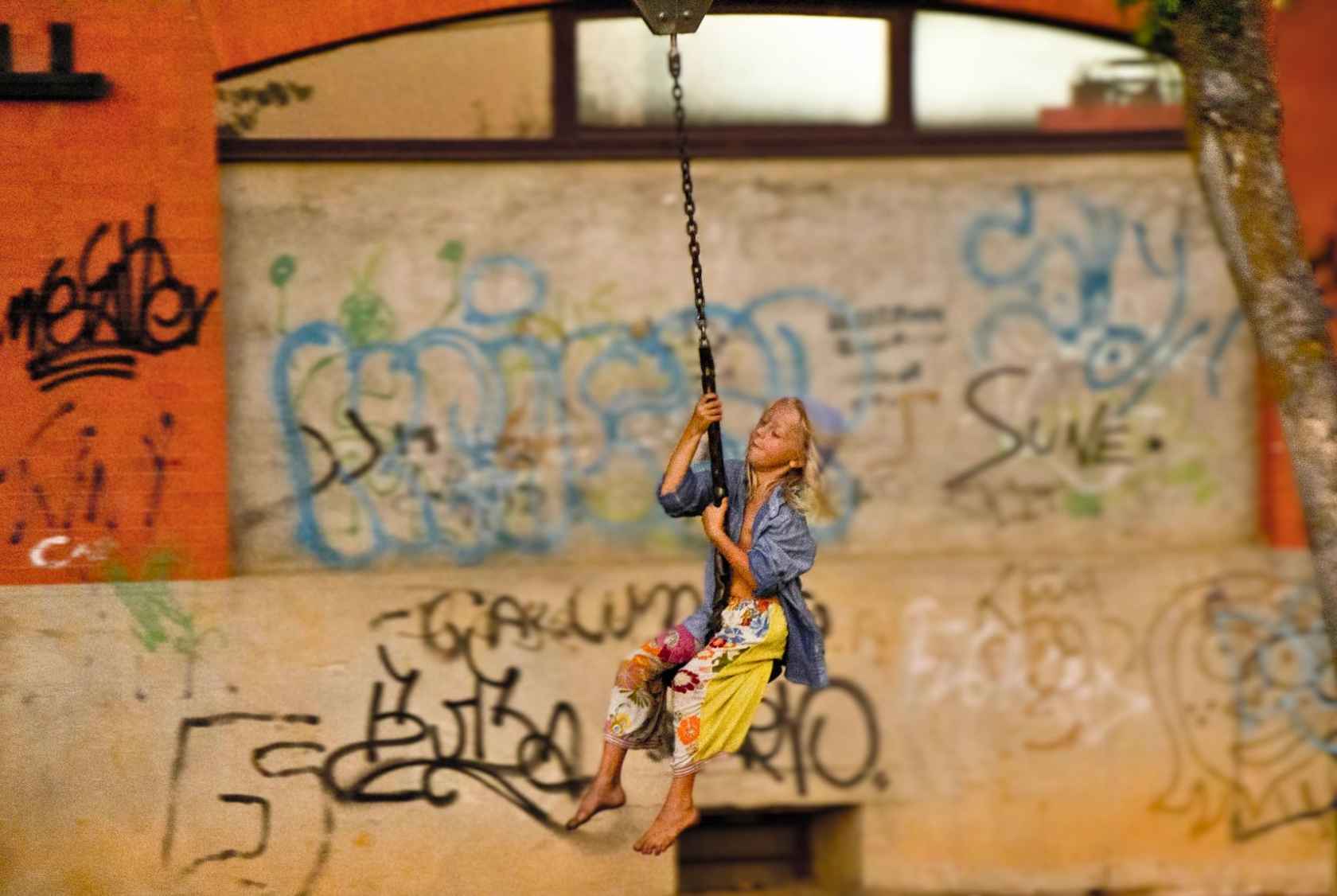
(teaser: There is one more question I often get – how do you make it work? Meaning financially. The next article on the subject will deal with this uncomfortable topic)
Also read the first article in the series on homeschooling: "Homeschooling: What kind of hippy is that?"
And the article on homeschooled children and socialization (in Danish) – the answers to the most frequently asked question.
Written by Cecilie Conrad. Translated from Danish. The original article is available at CecilieConrad.dk.






Comments