

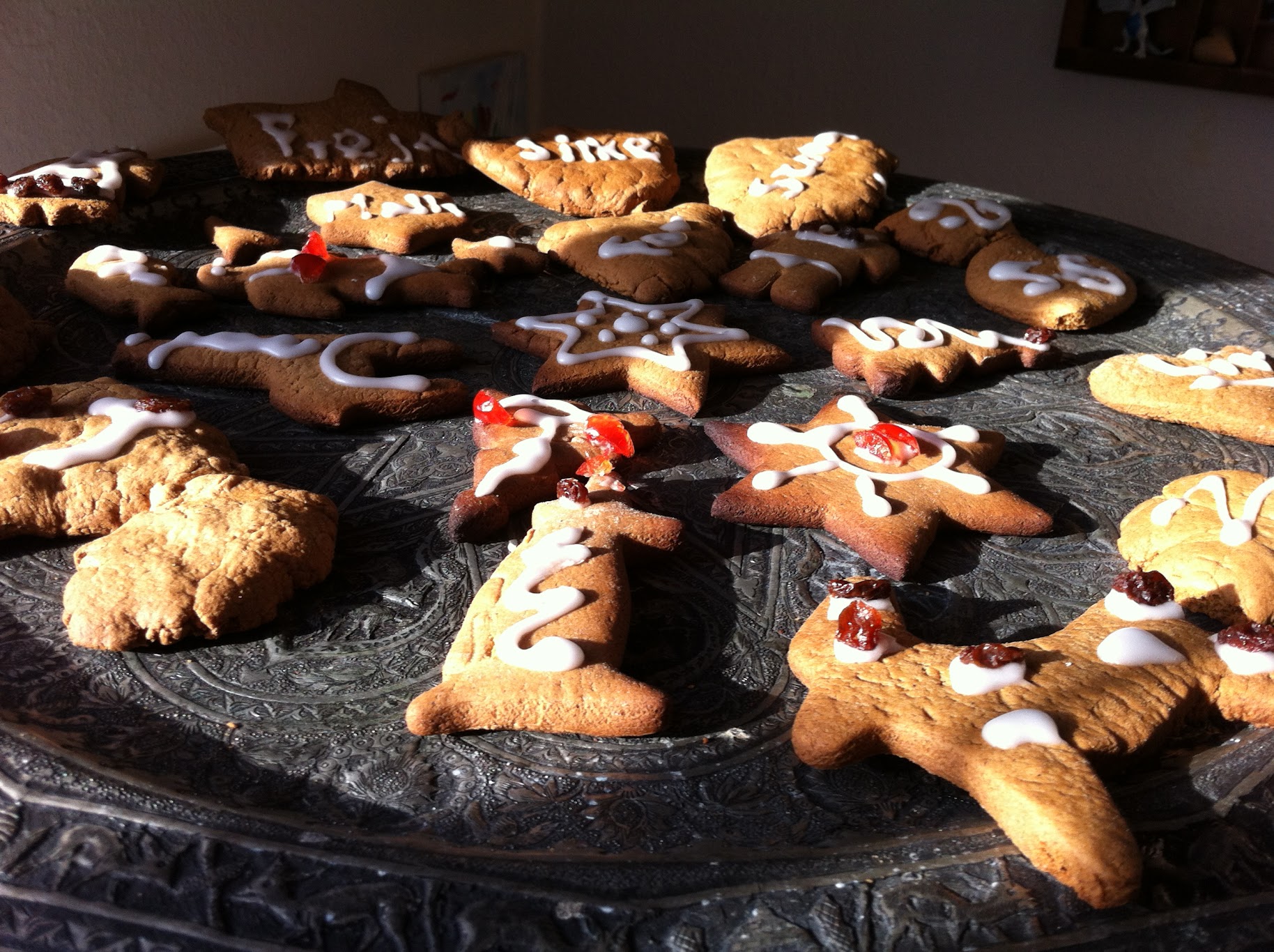
The savoury and the sweet kitchen
One of the most important reasons we have let go of controlling sugar is that we want our children to learn what food is. In most cultures there are two classic kitchens: the savoury and the sweet. Some use more sweetness in their savoury cooking than others, but by and large it is normal to distinguish between the savoury kitchen – which is food, substance, what we live on – and the sweet kitchen, which is for fun, dessert, just because it is lovely.
Where there is obesity, there is sugar in the food.
I believe one of the reasons obesity is spreading so dramatically is that ordinary food is increasingly full of sugar, and desserts are creeping into our meals. In Spain, for instance, it is completely normal to serve a muffin for breakfast, especially to children.

Lots of people eat meals every day that contain a whole lot of highly processed white, white sugar, in Denmark too. Cornflakes for breakfast, for example. Or sweet buns – however wholegrain they may be, there is usually loads of sugar in them. Strawberry yogurt – yes please, maybe 3% strawberries and at least 7% sugar. Honestly, it makes me a bit cross that food with 7% sugar in it isn't called dessert, but breakfast.
Food is food
It is important to learn that food is food – not to hide food in cake. I was there myself for many years: slipping a little rye flour into the pancakes, even protein powder into the smoothie (back when Kernesund had us all in its grip, which was certainly not a bad thing). But I have decided that it is far healthier to learn that food is food, and dessert is dessert.
In our house we avoid industrial food as far as possible, so treats are actually quite a lot of work. It takes a long time to bake a good cake, make caramels or marshmallows, fry pancakes for a family of six, make jam and all that. So we cheat, too, and buy some of it, but our basic attitude is that industrially made food is of too poor a quality, and so preferably not part of our diet.
Just as we don't hide food in cake, we don't drown our food in sugar either. If it is food, there is no sugar in it. We bake our own burger buns, we never buy soft drinks (and the kids aren't allowed them when we are out, either), nor breakfast cereals or sweetened yogurt, ready-made buttermilk soup and that kind of thing. And we believe this makes the children healthy and strong, and above all wise: they develop a deep knowledge of food, of feeling full, and of the sweet tooth.
It really works – the interest in sugar is fading
We are now three months into this sugar freedom, and I really do see that it works. The children often ask for ice cream first thing in the morning, and they meet my no. There is, after all, the rule that you have food first. Today Silke wanted ice cream, and when I said we had to have breakfast before we could think about ice cream, she answered: Okay – but then I WANT porridge too!
Later, around twelve o'clock, she asked for ice cream again. I told her it was lunchtime, and once again I was met with a demand: Okay – but then I WANT bacon in my pasta too! She DID get an ice cream in the afternoon. There are no miracles here, and anyway I think that is completely fine. And finally, dinner: she ate an apple (shared with Dad) and a big plate of pasta with pesto and cheese. Our hosts in Elsinore served a fancy ice cream dessert with honey and whipped cream and bananas and dried fruit and nuts, and Silke decided she only liked the ice cream, and that it was maybe actually more fun to stir it around than to eat it. Storm ate a small portion of ice cream, ran around the garden naked and said he'd had enough.
In other words, I think I can see the interest slowly fading, and I think my children are choosing substantial food. Today my big daughter Liv has been nagging for brunch and a whole roast chicken – not for Coca-Cola and chocolate bars. The children are learning that it is wonderful to eat something good and hearty, substantial, something you really like. They love the sweet things too, and we bake lots of cakes to find our favourites, taking turns to choose from cookbooks with beautiful pictures.
Because food should be eaten with joy and with the senses – both the healthy, good, substantial things and the sweet, fun, lovely ones. That goes for me, and it goes for my children.
Written by Cecilie Conrad. Translated from Danish. The original article is available at CecilieConrad.dk.








Comments