


In Denmark, we have a poet, Piet Hein, who wrote curious little pieces of wisdom for the rest of us to enjoy. He was also a mathematician and invented the superellipse, a beautiful and efficient shape, and the shape of many a Danish dining table, and lots and lots of lamps to honour light. He was quite the genius.
And so were many of his little poems.
The Royal Copenhagen Porcelain released a series of these poems as little side-things, which we call smørrebræt, used to spread the butter on the rye bread when creating the traditional Danish lunch “smørrebrød” at the plate, topping the bread and butter with different combinations. You cannot spread the butter on the bread directly on the plate because of the slight incline surrounding a plate, hence the need for this element on the lunch table.
Growing up, I spent a lot of time at my paternal grandmother's house, and also, at breakfast, we would use this “smørrebræt” (casually without a plate supporting the system) to top the morning vacation luxury of wheat bread, toasted and with butter and jam.
My grandmother had these Piet Hein series with the poems, and one in particular, she and I agreed, was the best.
And I am sorry, all of my Danish friends, for this very long introduction to my story of the day, as you probably all know this already, about the “smørrebræt” and the story of Piet Hein, and the poems, but for everyone else, I will attempt a translation:
Den Guds klarsyn falder på - ser det store i det små
Translates to
He who owns the clarity of God - will see the greatness in the little things
Or rather, He upon whom the clarity of God will fall - will see the greatness even in what seems small.
Well.
It is not easy to translate poetry.
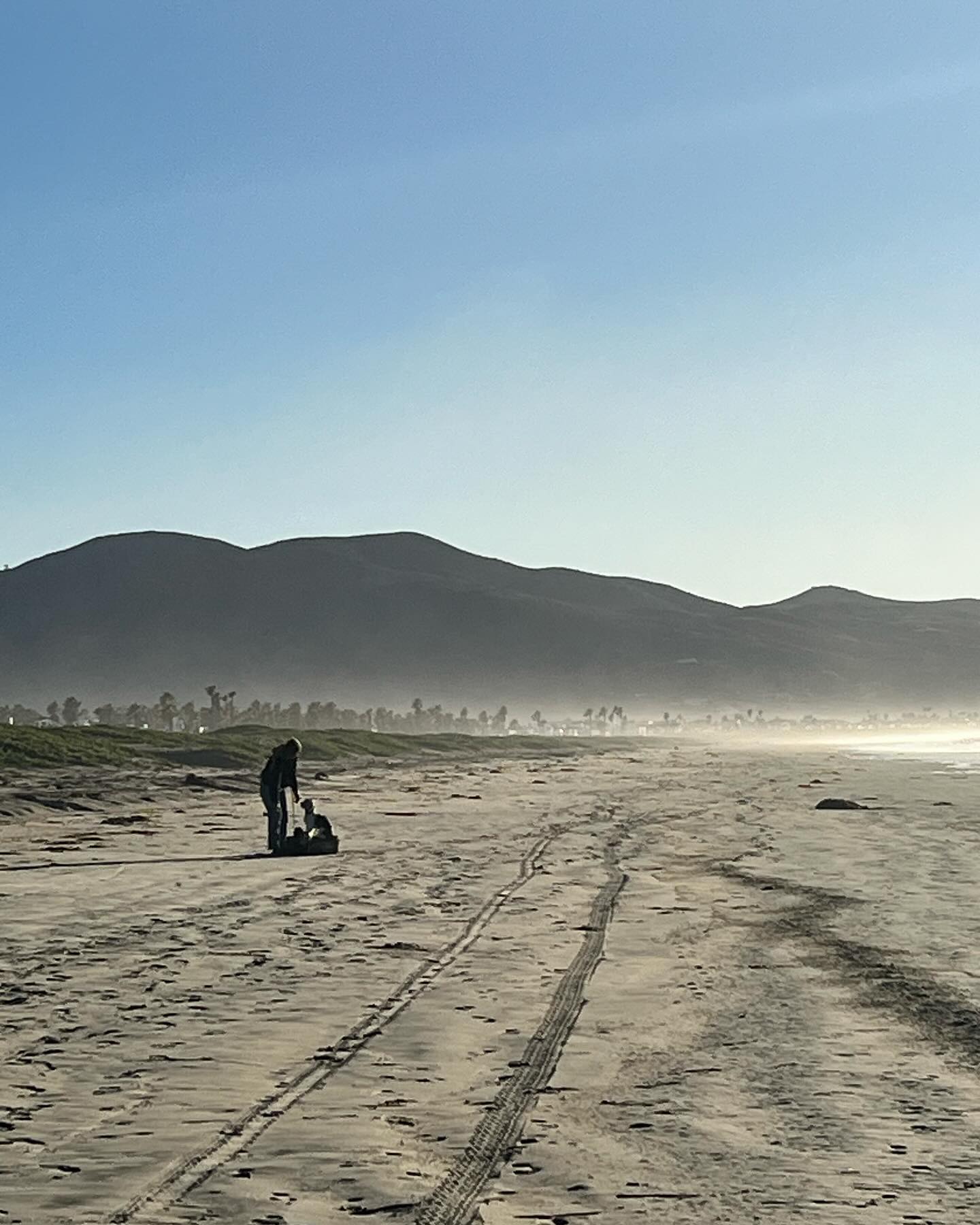
But the point is, I saw exactly what my childhood memory of clarity over breakfast and conversations with my grandmother looked like when I walked to the beach to go for a run in the sunrise: 2 of my children looking precisely like the “smørrebræt,” having exactly that important clarity, being in awe and part of that aforementioned greatness.
And that was enough to make my day. My offspring were immersed in life, reminding me of my happiest childhood days while the sun rose to a beautiful day with friends at the beach.
My children practise life: Taking what is and enjoying it slowly, together, with gratefulness and curiosity.
There is a lot of wisdom to find here, in the poem and in the poetry of what I saw that morning. Divine clarity gives us the power to appreciate the greatness of what it is. Of the Masterpiece this life in this universe is, even when it is impossible to grasp it, understand it, explain it. This is not what is needed, and we do not even have to agree on calling it divine, using the concept of God; all we need to do is what my two adult children did that morning: Go out there, observe with awe under the infinite sky, together.
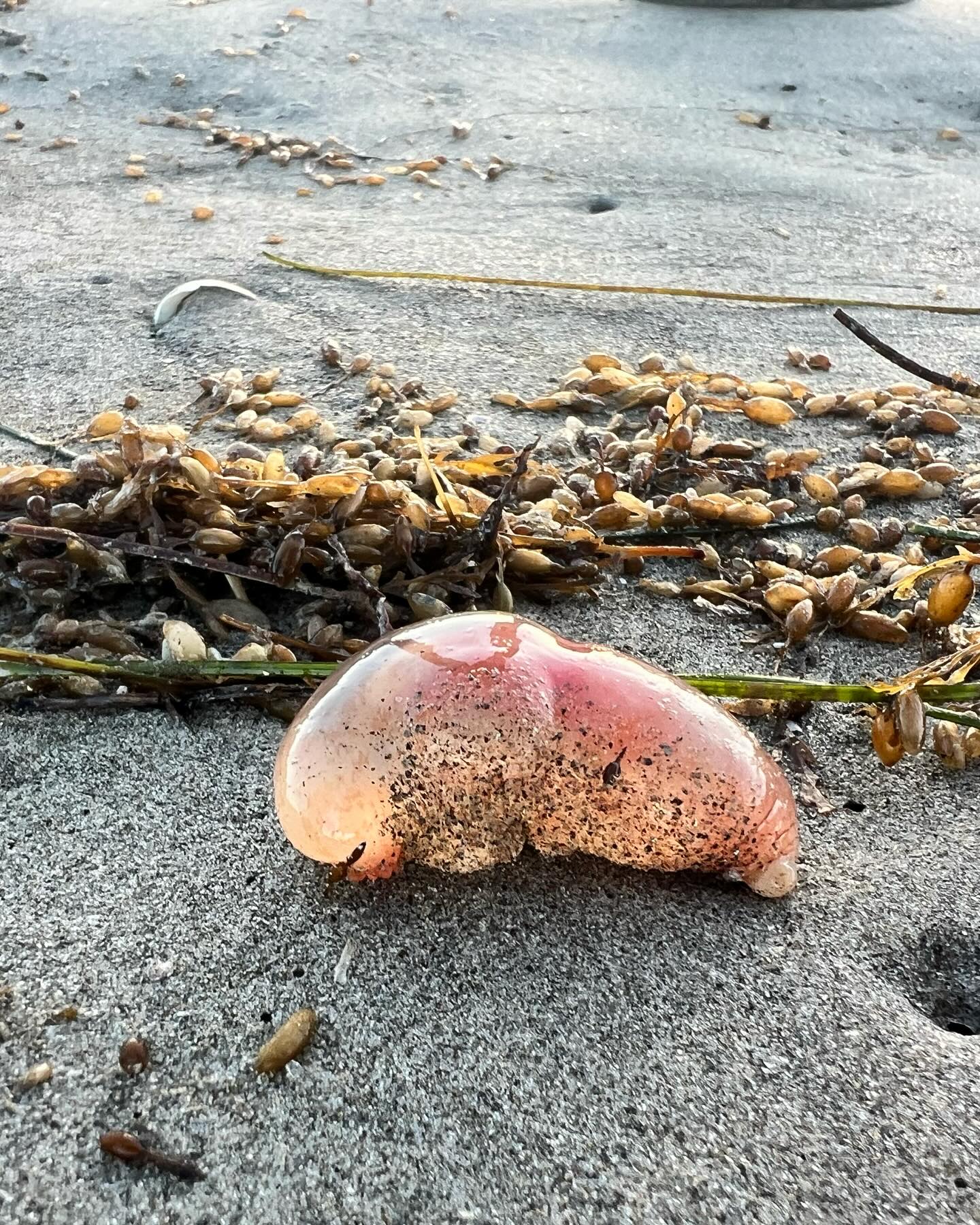
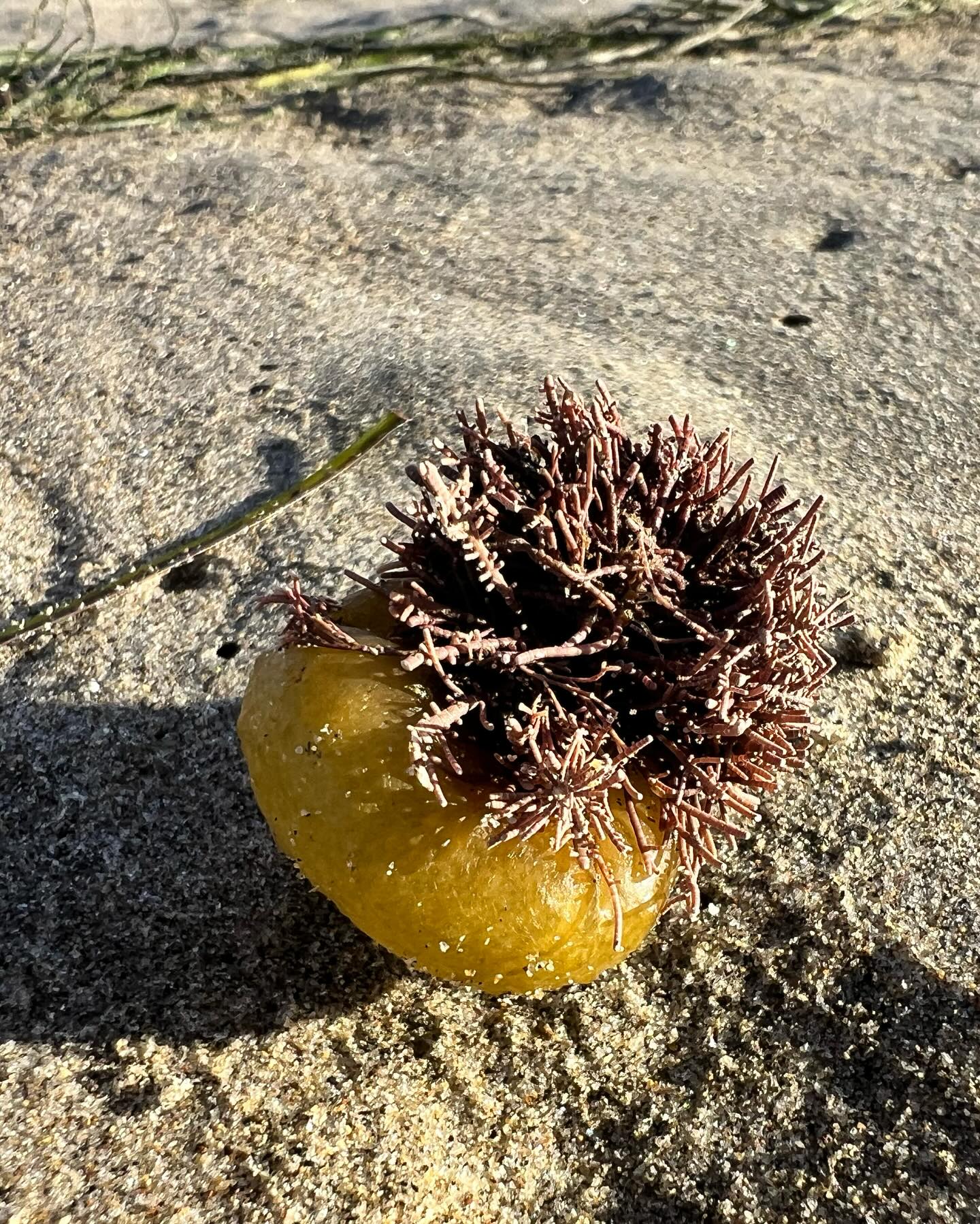
Later, we learned what we saw was probably a sea cucumber. If anyone knows anything or has good links, we now officially want to know everything about this little creature.
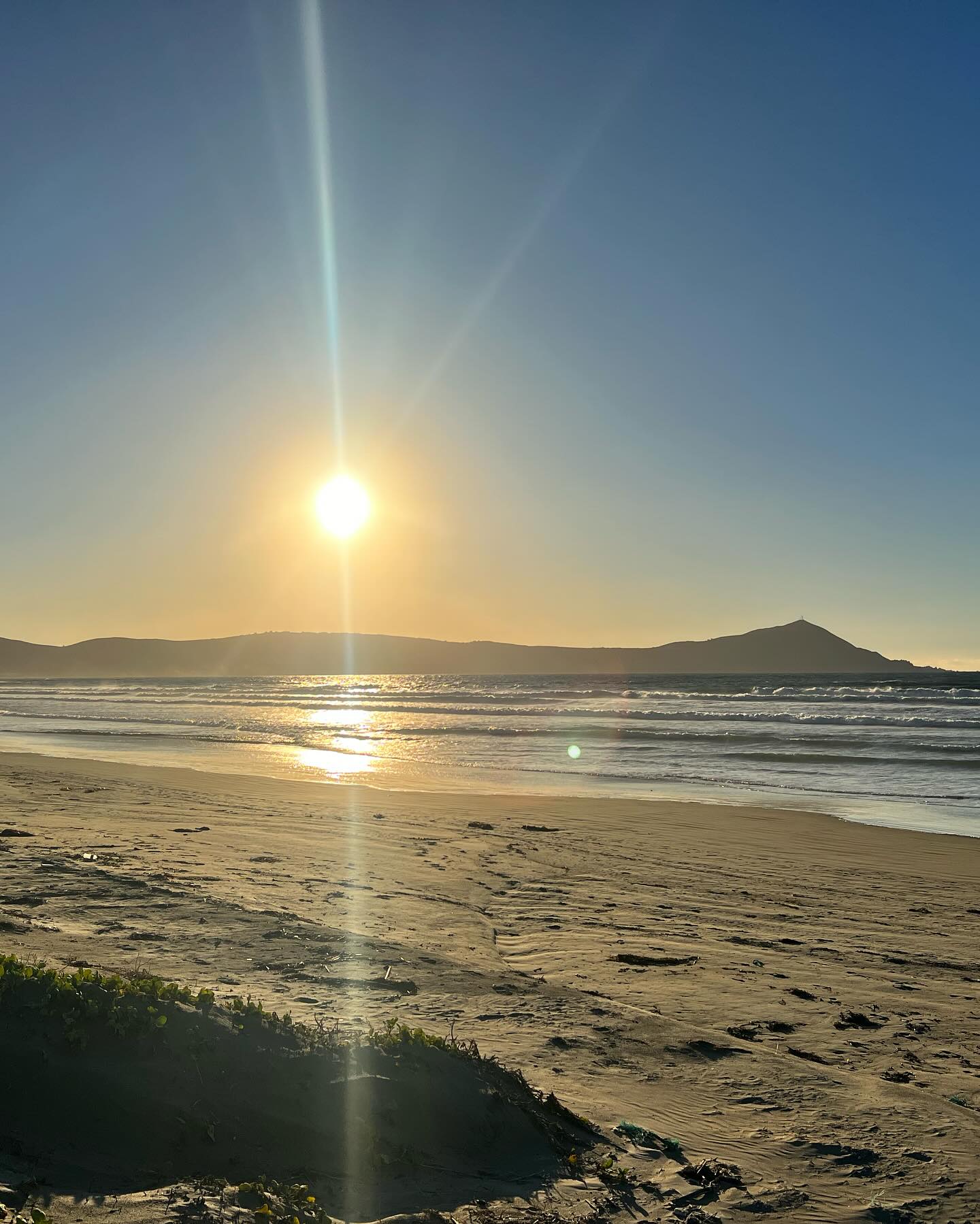
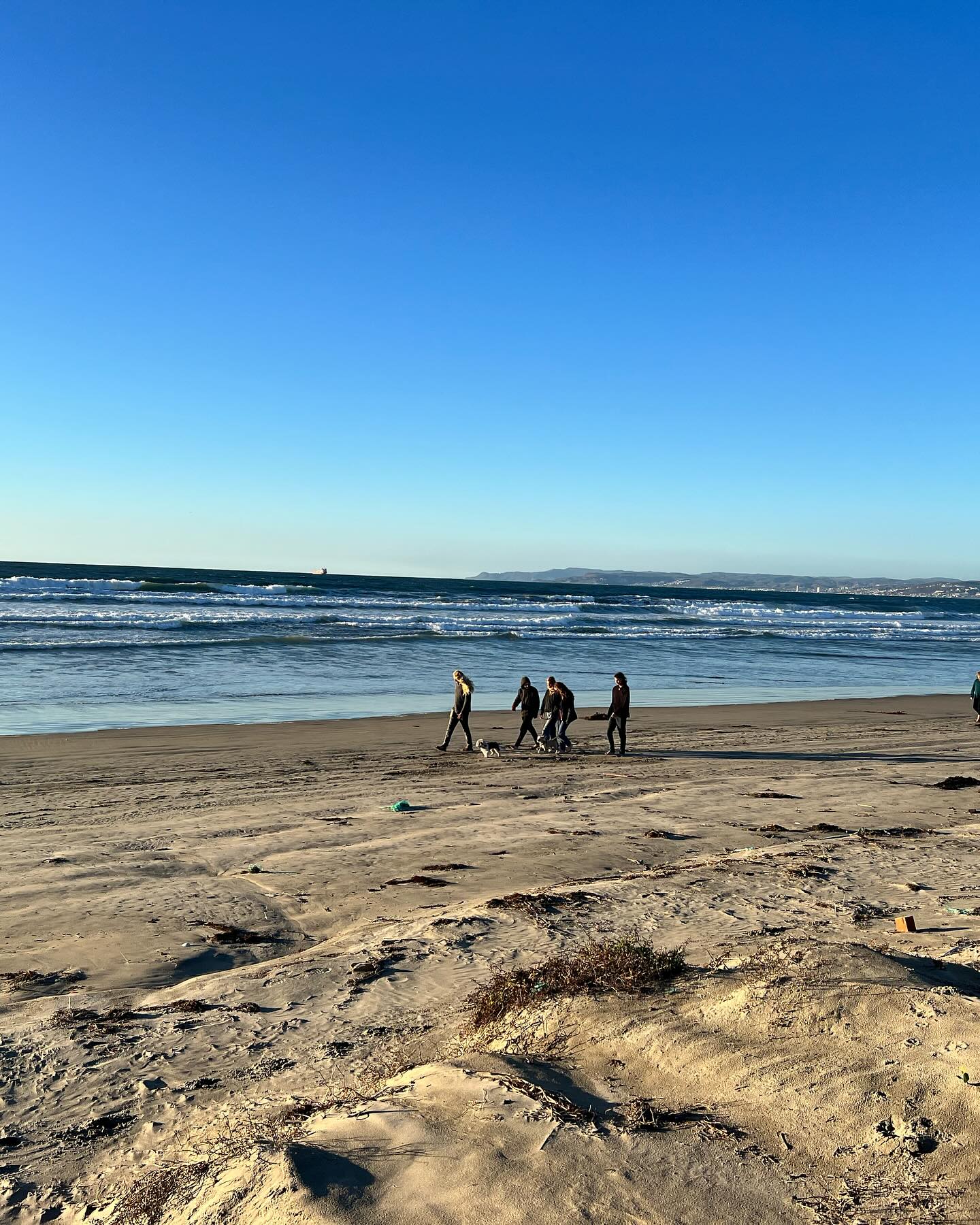
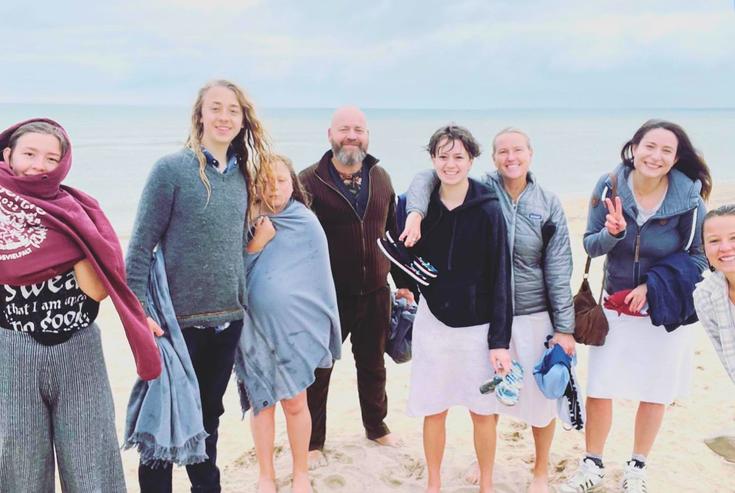
The rest is more of the same. Food, people, conversations, re-organization of the kitchen, more conversations, and a long, long walk along the shore in the sunset with most of the group; arriving back to a beautiful meal and some heat at the fireplace, more conversations and more laughter.



Written by Cecilie Conrad.
Read the article in Danish at CecilieConrad.dk.




Comments