

🎙️Watch the video episode above or listen below



Also available on all other podcast platforms - find the links here.
✏️ Shownotes
Letting go runs through every stage of unschooling — from releasing control over what children learn, to accepting that family life changes shape without warning. The last run with all your daughters, the last night in a house you raised your children in, the last time a child needs you to put their shoes on. These moments pass without announcement.
Cecilie Conrad, Sandra Dodd, and Sue Elvis use this final episode of season three to talk about what they've let go of and what still holds. Sandra describes her adult children's lives after unschooling and the shift from being central to being a resource. Sue reflects on whether to continue her unschooling blog or let it go, and on the difference between lazy letting go and wise letting go. Cecilie talks about her family's current transition as three of her children enter formal study. Together they discuss letting go of fixed ideas about identity, letting go of the need for others to follow the same path, and the value of making decisions from a good place rather than a desperate one. The conversation closes with gratitude, new friendships, and no regrets.
🗓️ Recorded December 7, 2025. 📍 Tarragona, Spain
🔗 Sandra, Sue and Cecilie's websites
https://sandradodd.com
https://storiesofanunschoolingfamily.com
https://cecilieconrad.com
Click to open/close Transcript(Autogenerated)
Cecilie Conrad: 00:00
So welcome to the twelfth episode of season three. The Ladies Fixing the World. This is the last one in this season. And also for for now at least, the last one we three women will record with each other. So there's a little bit of I don't know, letting go in the situation, which is perfect because this is the topic we wanted to talk about today, letting go. Um, I think maybe in the chat it was Sue who came up with the idea. Why don't we talk about letting go? And it's just wasn't even planned out that we would do that in the last one, but then the personal situation that we are in right now will align with the thing we're talking about, which is great. And um yeah, opening the talk about letting go. We haven't pre-planned it any more than that. But I as I'm thinking back and have been thinking back about my time as an unschooler and the concept of letting go, it's really a thing I've heard many people and other unschoolers say many times. It's like this refrain, it's all about letting go. And it's not all about letting go, it's all about a lot of different things, but letting go of some things is is a centerpiece, in my humble opinion. But I don't I don't what exactly were you thinking?
Sue Elvis: 01:34
If you can remember yeah, I was thinking that there's so many uh aspects to this. We have to let go of control of our kids, let go of who we think they should be, and let them be themselves. Uh, maybe let go of all those old ideas that we might have grown up with that are no longer serving us or we've realized aren't really true. Uh letting go, I was thinking personally, letting go of different stages of our lives and letting go, as you said, Cecilia, letting go of unschooling. Do we do have I got to the stage that I want to let go of being an unschooling blogger, podcaster, that type of thing? We all come to a level where we have to let go of something, even if it's good, and think about what's ahead. Even with our children, I think sometimes we have, I don't know, we feel sad when we don't have a baby anymore, or we feel sad when we realize even that we don't have any teenagers anymore. But I feel that each stage, if we have the right attitude towards it, we just move from delight to to delight. So I thought that would be interesting to talk about. But also, yeah, it's episode 12, and I thought it was very appropriate that maybe we're letting go of this time together talking about unschooling the three of us. Um, who knows? We might come back another time and Cecilia might invite us back and it might all fall in place again. But for now, we're letting go at least of this particular season. And soon we'll be letting go of the year, won't we? Of 2026. Uh, life is just full of letting goes. And so those are some of the things I was thinking about when I suggested that we talk about letting go. And I suppose it came up because I was thinking about um the end of the season. And although it's been we've been together in a year now, we've done twice as many episodes as um I expected. It's been really good. And there is a certain sadness there in knowing that um this is episode 12 of season three. But anyway, can I pass that on to somebody else to pick up on maybe one of those points? Yes.
Sandra Dodd: 04:14
Well, I know that I know you're ahead of us time-wise, but it's not 2026 where you are. You gotta let go of 2025 first. Oh, yeah. You're saying that for the people who listened to this in 2028.
Cecilie Conrad: 04:25
You never know. You're totally right. It's summer there, and it's the morning, and it's tomorrow, and right.
Sue Elvis: 04:34
But maybe you know, I didn't sleep much last night. And uh yeah, I think my brain is actually here, Sandra.
Sandra Dodd: 04:43
So last night Holly was here, and and I said something about going to a movie or something, and I said in the next few days or weeks, and she said, weeks are days, and I said, Okay, weeks are months, and we went, ooh, because months are weeks, you know. I don't know. It was just kind of silly for the moment, but yeah, we were talking about time, time measurement, time passing, time comparison.
Sue Elvis: 05:04
It's very humbling when you make a mistake, isn't it? Especially one that's broadcast around the world, is that letting go of another thought I had was perfection, letting go of our image of being a perfect person, a perfect unschooler, a perfect um podcaster. Uh sometimes it's nice to show that we're not in we're not perfect, we have bad nights. Um, and we think it's 2026 already when it isn't yet because we've got to the end of this year. So thank you for picking that up, Sandra.
Cecilie Conrad: 05:40
Sorry. No, I don't know. It's all good. We all do those things. I think the really hard part is to figure out when is it the right moment to let go and what are the right elements to let go of relative to what are we holding on to? What is always important, or when do I insist and when do I let go? Not necessarily towards my children, but just when do we push for it and when do we step back and breathe? Sometimes stepping back is really the solution, but then sometimes stepping back is just not handling the problem. Is it even possible?
Sue Elvis: 06:30
I don't know if this I don't know if this has got anything to do with what you're thinking about, uh Cecilia, but just recently I've been thinking about all the things in my life and which ones I need to let go of. And then I have this idea at the back of my mind that I should push and keep on going because it's lazy just to let go. Uh is there a letting go which is lazy? Is there a letting go which is sensible? That uh I think a lot of people, as far as unschooling goes, people on the outside, they might look um and think we've let go of so much that uh is important. That uh we were talking last time about uh being firm with your kids. Hello, well, that's sometimes looked at as a good trait for a good mother. A good mother is firm with her kids. So sometimes if we're not if we don't insist, if we don't stay in control, that can look like, oh, we're just too lazy to be bothered, we don't care enough. Uh but rather than we've made the decision that that is the best for our kids. Uh letting go, I suppose, of old ideas that are mainstream, but it takes a long time to let go of ideas. Sandra, you're really good at talking about de-schooling, and that comes up a lot about how it takes time to let go and to move on. I'm gonna get your little phrase. I have got to memorize it, and I've got to share it to everybody. That one about read a little, try a little wait a while. Letting go isn't always one act, it's a gradual process. It you don't suddenly wake up and say, I'm gonna let go of this today. You think I'm going to take one step in the direction of letting go, see how it go, how it feels, and and uh doing things gradually rather than just fling things out one by one and then think, oh wow, what's what have I got left? And I think sometimes uh people want to throw out things which are actually quite good because they think, as far as unschooling goes, that we've got to just throw everything out and then have a vacuum, and then families get a bit lost because they don't know what to put in. And so I like I like what you've said there, Sandra. Um, yeah, I'm gonna I have to find that on your website and link it into various um blog posts of mine, because I think that's excellent advice. You know, I always love it, Sandra, uh when I find something on your website which might link into something that I have written about, and I think, oh wow, look, uh I'm not that far off track. This is what Sandra has discovered and gives me confidence. I think, because sometimes I I don't know if it's all unschoolers, when you're unschooling in isolation or doing anything in isolation, and you're doing something um very different, uh, you can comfortably wonder if you're crazy, or where did this idea come from? Why should you have this idea when everybody else is thinking something different? And so when I find a little nugget like that on your website, Sandra, it reassures me that I'm not crazy and that what I'm sharing, you know, refer everyone back to Sandra. Yeah, go see Sandra. Um it helps. So I want to thank you. I know that it's Les to thank both of you for for this couple of seasons we've done together, but thank you for your website, Sandra, and all these conversations. They've um, I'm sure helped a lot of people, but I've gained and grown from them as well.
Sandra Dodd: 10:33
I think it might show me and you, and uh, Cecilia's still in it. She's still got younger kids at home, but I think it helps to review it, to summarize it, to let go in a way like that. Like, okay, I've just delivered a great uh mass of information, ideas, memories, experiences. And so I can be confident that they're there if other people want to find those. The phrase read a little, try a little, wait a while, watch was written for a talk I did in in um Quebec. My daughter was up there being in au pair one time, and I went to visit her, and and I and she and I spoke in a little little small meeting of locals. And I wanted to give them something that nobody else had. You know, I didn't, I and so I thought that was nice. But then um somebody translated into French, but I took it to Europe on a uh when I was going to the Netherlands and uh to Portugal, and it was translated, and we had bookmarks with it in those three languages, English, Portuguese, and and and Dutch. So it's I like it because it's very simple and it's usable, like you're saying, if you you could link it to different kinds of ideas. It keeps people from thinking that you can just become an unschooler all of a sudden, or that you can change from being a really controlling mom to not all of a sudden, or any change all of a sudden. It's it's better to think about it, you know, let it soak in, borrow the new idea, sit with it a bit and see what you think. Years ago, I went to adult children of alcoholics before I had any children, and my mom had been an alcoholic, and I was realizing some how that had affected me some. So I was uh 30 years old or 29. Um, I started going to those meetings and they talked about detachment. And it disturbed me at first because I thought, but I sh I'm my mom's oldest daughter. I have to help take care of her, I have to worry about her, I have to save her. And that's what they were saying. They were saying, back up to see that you're not that person. Back up that far. And I thought, oh my gosh, that I it didn't, I didn't like it at first. I didn't think it was moral or right or um progressive or sensible. It just, you know, it gave me that sort of jittery heebie jeeby feeling that this is not, this is not where I ought to be going. But as I realized, as time went on, as I was in that meeting every week for a year, then two years, I was there until Marty could walk. So five years maybe. And uh I realized then, before I had kids, that they're not me, that I'm not them, that we can be partners, we can be buddies, we can be constantly in each other's presence for years, but still, from the minute they're born, they are their own person. And I just came across something I wrote years back about um children being their whole selves, even when they're little, that there was a that there was a a baby Mahatma Gandhi, that there was an eight-year-old Oprah Winfrey, that there was a 12-year-old uh Winston Churchill, that you have to accept that you don't know who your children are gonna be, they don't know who they're gonna be, but they are already. And that helped. So then by then I was so used to the to the term attachment, uh detachment. Um what's the word? Am I using the wrong word now? Um, and I'm the one who's in the afternoon, I shouldn't be the one forgetting things. Uh yeah. Why is detachment a wrong word? No, I think detachment is the right word. So I think maybe I saw it as the opposite of attachment too, and I thought, so it just seems somehow wrong to me, but I had to get used to it. So I I was practicing attachment parenting, but that was pay attention to them, they need something, they need to be carried, they need to be put down, they need food, they need sleep, they need to be with somebody sweetly touching them. What they need as infants and babies, you can give them that's not gonna hurt you at all. So it was still, I I think I struck a balance. I sort of had that healthy tension between attaching myself to knowing that I was the only one providing for their needs at first, and also accepting that they were separate people. The outcome of that years later is the most dramatic thing hasn't happened yet to you, Cecilia. I don't think, and that's a child gets married. So there's all this prep season where you're really important, where they're talking to you about I'm thinking of doing this. Sure, yeah, now you're a big character in the whole play. And as that gets closer and closer, and they get married, bam, you're out. You're a minor character, you're a non-playing character, you're hardly a speaking character. And it's hard. That one comes a little suddenly because there's a moment when they go, you know, man and wife. Oh man. And so with Holly, who's 34 now and not married, so my two boys are married and have children. That's separate. I think back to how close I was or wasn't to my grandparents. I had four grandparents until I was 11, and I still had one when Marty was a baby. Um, so I was rich in grandparents, they were not in the same town. But I visited them. When I visited them, I enjoyed it, I liked it. It was the same house, familiar. But I didn't between times think, oh gosh, I'm with my grandmother, I want to go see her. I was so busy, and I had so many friends my age and siblings and things going on in my own life that I wasn't living in the shadow of my grandparents. I didn't think of them all the time. So I remind myself of that now that those kids are getting older and I'm getting older, that they aren't sitting home going, gosh, I wish grandma would come over and play with me. You know, that's that's they're way past that, maybe when they were little, if we had a familiar game going or something. So that's right now something I'm letting go of is being central to anybody else's life except my husband's. And that's interesting. Holly, the third child, is 34. She just turned 34 last month. She's not married, and still we need to leave her alone. You know, sometimes, sometimes she wants us, she needs us. She's she came over yesterday for six hours, and we had a good time. And um but I'm we're resources for her now that she lives on her own, has a full-time job at a Montessori school. That itself is a little odd. Um, for us to do what she asked us to do and then leave her alone is a new kind of letting go that I didn't expect. You're right, Sue. I was gonna have some things to say when we started this. I said, I don't have anything to say. Yesterday she walked in my house. I knew she was gonna be here for a while. She doesn't have Wi-Fi at her house, so she wanted to do some things online. And she came in with a little jar of pecans, someone had given her, like not pecans you bought at a store, but somebody cracked these and cleaned them and gave them to her. She said, Let's make chocolate chip cookies. Okay. And I took that to mean show me how to make chocolate chip cookies. I don't know if she'd ever done it before. So we're doing it, and I'm talking to her about why I do why I'm using this tool instead of that tool. And we made the cookies. We took turns doing various things, and they were all made. And I didn't expect to make cookies, but I didn't mind. But she knew that if she came to our house and said, Let's make cookies, I would say, okay. So it's that that was like when she was little and said, Can can I have some glue and paper and you know, tape or whatever, I would set her up. She's half as old as I am, almost. Not quite, I think. Not not quite, but yeah, it's they're not little anymore. And they still need us when uh Kirby needed to borrow a car the other day, he put us in the shop, so we arranged to get the car to him and he arranged to get it back. Um Marty and Ashley needed me to mail something to Alaska right away, like make sure this gets mailed. There are things still. There are things that they depend on us for, and that we're totally willing to help them with, but it's not the same anymore. Yeah, that's the big let go.
Cecilie Conrad: 18:36
I just have it on the horizon. I don't really have it yet. I still have three who live at home. I have one who is not married but been in the same relationship for eight years, so it's all not the same. She has her own reality going on there.
Sue Elvis: 18:54
What about kids who have to let go as well? That uh we are their worlds, their lives, and then they move out or move on, and they're letting go as well. So, and also letting go of that you said, Sandra, that you enjoyed making those chocolate chip cookies with your daughter. But what if it hadn't been convenient that day? When they're little, you do things because they're your world, and as our kids grow up, and sometimes they have to take our lives into consideration that things are no longer they're no longer our first priority. And so they have to let go of that as well. Uh, I was thinking about um we were uh just going to church and we have a parish church and we usually go there with the kids until the last few months. And then my husband and I decided we were going to this monastery further away, just a little bit further away. And the kids said to us, but mom, don't you like going to church with us? And I thought, well, yes, we do, but I also like going somewhere with just my husband, and we we're we're it's our time, it's quiet, it's different, and it had it's like you step out of the role of being a mother, and it's not that we don't want them there, because I say, You can come with us, but it's stepping out of that role of always putting them first and doing what we would want to do for a change, and watching them, you know, the eyes light up, you know. Um the eyes wide up, but you know, you your your phrase, uh Cecilia, about the eye uh eyelash eyebrows going back to your hairline, you're surprised that we make a different decision, one that doesn't involve them. And don't you want us, you know, don't you want to come with us, Mom? Well, it's not that. It's that we're in a we've let go of that stage, we're in a new stage, and I actually, in some ways, I look back and I think, oh, I miss those days when we were all together in the pew. But also, I do like, I'm I don't know if I'm just tired and old, but I do like getting in the car with just my husband and driving down to the monastery through all the farming land, and we chat along the way, and we go to the monastery, and there's all these kangaroos there, and we go in and there's not a lot of people, and I hold his hand, and we stop for coffee on the way home, and we don't have to think about anyone but ourselves. But that doesn't mean that we don't see our kids because sometimes they send us a message and say, meet us for coffee in town on your way home, and that's nice too, but it's not as after years and years and years, you know, 30 odd years, we're no longer it's letting go of that stage and thinking it's quite all right to decide we want to do something and not include our kids, even though it's something. Like going to church that we all do anyway. It's not quite the same as making a decision. Like, for example, you could probably say, well, we're going to move. Not that we are, but we wouldn't have done that previously, thinking, look, this is us, our our kids rely on us. But now we've got music lessons here and we got this there and this there. And now I think, well, we're free to do whatever we like. It's in yeah, the letting go. Letting go from our kids' point of view as well as ours. But of course, there's a lot of years to get to our stage. So we haven't really talked about younger letting goes, or what letting goes are you doing, Cecilia? Because you've still got kids that are younger.
Cecilie Conrad: 22:46
I was just thinking about how I feel the stages of life that we let go of. It's as if you've moved beyond something without really noticing. Oh, oh, now I'm actually in a new place. It's pretty obvious when children move out that you know, and it will be weird when the last one leaves. I get that, but I don't know. I just feel like you can't let go beforehand. You have to live through the time, and then something changes, and sometimes you don't really notice while it changes, but then at some point you realize, oh, oh, we've actually moved beyond this stage, and we're now in a new stage. And you can have this nostalgia, oh, I miss this, that, and the other. We just had a conversation yesterday with our youngest child who is now almost 14, uh, who moved out of a home base when he was six. He can hardly remember living in a house. He's been nomadic for all the time he can think about, but he could remember little things about the house that we lived in before. So we were talking about his memories about it and how he felt about it, and how he felt about the change and all these things. And I just realized, you know, you can I could look back at the time we had in our house in Copenhagen with a lot of love, without any nostalgia or bitterness, or you know, wishing to come back homesick, feeling anything like that. This too was a stage that it was very clear when we walked out of the house that we were leaving. I mean, you can't fool yourself. But then again, really letting go of it has been something that has happened over years. I didn't think about it in the moment because I was doing something else. I was not doing letting go, I was doing moving into a bus, driving somewhere. There's a lot of things to think about. So that the stage behind me was not really, I don't know, the processing of it must have happened later on. It didn't happen in the moment.
Sandra Dodd: 24:58
But started happening later on, maybe it started, you started to realize it. And then so that the gradual change sometimes starts happening after the physical change, I think, or after the social, after the growth.
Cecilie Conrad: 25:12
Our family were in a changing situation because most of our children, so the one who is 26 and lives by herself or with her boyfriend, and um the two older that lives with us, the 19 and 17-year-olds, they're all studying suddenly. Uh the same education, all three of them. And so, from being a family, you know, we get up in the morning and we're like, okay, what are we doing today? Should we go for this walk or should we go to this museum? Do we want to go to the beach? What are we doing? They all have their own agendas now. There's different focus on academics. It's a lot of not that we didn't study before, but it's really taking a sensor stage. And and we we've been trying hard the past month and a half to plan the first half of 2026 to see where are we going, what's up, and who needs what, and what what where as we don't live anywhere, we have to decide that at least where we're going to be. And it's just been impossible. And I think it's been impossible because we haven't faced that, our life has ch has changed quite dramatically. Something has changed more than we have realized, and we haven't really we're just used to planning in the context of what was. Because we don't really know what is right now. We're not we haven't made the transition. And we've had to let go of a lot of ideas about who we are and and what how we plan and where we want to go and what we want to do, because it's clear that there are some new needs and some new dynamics that we have to take into how do you say that in English account.
Sandra Dodd: 27:07
You have to you're on somebody else's schedule. Will it be online or are they gonna be at a physical university?
Cecilie Conrad: 27:13
It's it's the pre-university thing they're doing.
Sandra Dodd: 27:15
But still there'll be deadlines and requirements.
Cecilie Conrad: 27:19
They want they get up in the morning, they do their morning flow, and then what they want to do is to sit down and study for a good chunk of hours, which is great. I'm not against it. It I just realize that it's different. And I was just in Copenhagen last week. No, this week, um to um help one with an exam. And you know, there's just uh other things entering the stage, and I have to let go of being this free-flowing traveling adventure unschooler, take it as it comes, kind of. We need to start planning and we need to slow down, and we so we we just need to move in in a different way. Um I think I'm used to now, after the years of unschooling, to do that filtering, to realize, oh, I'm holding on to some idea about how things are supposed to be, and and that's just habitual thinking. I'm used to doing it this way, this is what we always do, so I'm doing it. But now I'm used to stopping and asking the question, why am I doing what I'm doing? Is this really what we need? And just the question everything mindset. I think it's easier to work with now than it was 10 years ago or 15 years ago when we started.
Sandra Dodd: 28:47
Sue, when you said that you um liked it when you came across something on my site or somewhere else that stated something that you had discovered on your own or that you know that you agreed with, whatever that helped you. I just wanted to remind people that a lot of the ideas on my website are other people's. It's not just me in there, it's uh it's a collection. I'm running a museum of the best parts of discussions of unschooling over the years. And the episode that we three did together that I loved the most and saved and have really cleaned up, like I have the transcript all clean and I have links inserted into it. That's the one on repetition. That was so good. And so I that made it in there. There may be others that I will do the same thing to to enshrine it as a page on my side. I still have links back to Cecilia's pages and all of that. But to put it with a really good transcript so that I could maybe quote it on just that light and stir, things like that, that's helpful to me so that people can read a little bit and be led back there. And from there they can go to lots of places. Piano guys, weird owl, um, you know, the the the page on Sue's side about repetition and on mine. Um but another thing about letting go for me is I'm not letting go of unschooling because I'm still helping people. So even though my kids have have dropped off into different directions, all of different places, all uh two in town and one in Alaska, my unschooling trajectory is continuing because I'm still working on that site and I'm still doing a daily post with a photo, usually a photo that an unschooler took. Either I did or some other unschooler let me use, and I uh and a quote of me or somebody and a link or two. Because I still get notes from other unschoolers and questions, I'm still involved in unschooling discussions and unschooling assistance. And that's an interesting thing that I have let go of my kids being unschoolers. Marty has a college degree and a job with the police department. Kirby has uh way they waived his college degree. He has a security clearance, he's doing computer tech for uh a company, I don't even know what they do. Um, but I assume because of the security clearance that it has to do with um um Department of Defense indirectly. I don't know what they're doing because he only he only does computers. Holly's working at a Montessori school. That's very different. So I've let go of them being unschoolers, but it still affects their lives. Marty talks about he he works with um maps and statistics, and he talks about how his interests as a kid really helped him get into that job. His interest in gaming, um escape rooms, all of that helps. That kind of logic helps when they say we don't know how to how to how to run the stats on this. We don't know exactly what we want you to do, but here's what we would like to know. And he goes, No, no problem. It doesn't scare him for them to give him something vague and for him to design something because I because of unschooling, he's talked to me about that. That if he had gone to school where they had said, do exactly what we tell you when we tell you, we'll tell you when to stop. He never had that. So it gives him a different platform from which he's thinking. And I talked yesterday with Holly for a long time about Montessori's school policies. She brought the paperwork they had given her, it's about 30 pages, and we were reading through it together for fun. And sometimes we would come to something that was the same thing that Pam Sarushian or Joyce Federal or somebody had figured out and tried out, like brought it to all of us, and we all said, Oh, that's cool, let's do that. And so gradually a group of us tried out each other's best ideas, and it, you know, it for years and it developed into something kind of easy to give away, easy to easy to come up with little ideas like it's not child-led, it's you know, it's creating a situation where in which people can learn. So that's one of the things that Maria Montessori came up with too, is set up the situation, and then the kids will learn from the fact that you cleaned it up, set it up. There are things for them to discover and play with. Although they never use the word play, they use the word work all the time. So Holly and I were kind of laughing about some of it and then saying, okay, that makes sense. One of the things that they said that we figured out was if you are going to be with your kids, if they're scared or whatever, be right there with them. Don't be like, I'm an adult, I see you at a distance, I think what you're doing is minor, but get down there with them, physically or emotionally. So that if they're excited, you're excited. If there's if they're unhappy, you can sympathize. If they're curious, you can go, yeah, I don't know. Let's see. And that's something Montessori says, yes, but I think the biggest departure was they want those kids to be independent. And she's working in a toddler room. So those kids are two years old, and they want them to learn to put their own shoes on. They're they pull up their own pull-ups to only help the child if the child overtly asks for help or is really stuck or frustrated. And so they have the whole routine. So I'm reading some of this I didn't know until we were looking at that. So we're talking about how priorities help a person decide how what to do, which is something we've always talked about in unschooling. If if your priority is peace in the home and learning, then that will help you decide what to do about this or that, whatever's coming up. And so the priority at Montessori is not peace and learning, although that's happening, they want that to happen, but their priority is independence. So when they're going out to the playground, they have a big routine about first the child has to put on his own coat, his own shoes, or whatever they need depending on the season. They have to get sunscreen put on or whatever it is, then they have to sit on a line. They all sit down on some piece of taper, I don't know what it is, paint. And they sit down and wait, and then they're called off that line one at a time out the door to the playground. So it's very regimented when they move from one place to another, when they move from lunch to nap or something. And I didn't know that. It's like one person at a time or two at a time move from this place to this place, and they have to put their own dishes in the dish bucket or whatever, you know. And I and so Holly's done it for over a month and she's used to it, and it didn't bother her. But I thought I always thought helping a child put on clothes and to get to the next thing, to get to the fun and learning part. If we're all going outside, let's get outside. Let's do what we have to do to get outside, put hats on everybody, put socks on every, you know, shoes on everybody. Let's go. But but Montessori, who's dead, is still telling people what to do. They have to do this first, do this next, do this next, sit down, wait for your name. And I thought, well, that's a lot of sitting on a line that could have been spent outside. So Holly and I are just kind of discussing it and comparing it to things that we had had as priorities when she was growing up. And so it unschooling helped her. She's really interested in child development and comparative educational things. And she's liking the job, she's really enjoying it. She said she was really glad I talked to her because she can't complain about it at work. She can't question it or go, well, this is unexpected. And so many of the things do kind of match unschooling. Like when a teacher is really sweet to children and can be calm and at their level verbally, you know, they say not to be loud, not to be sarcastic, don't be like an adult in the conversations, be like the kids, um, that they can understand you. If you do that, it makes you a better person. If you do that, it makes you a more peaceful, kinder, more thoughtful, sympathetic, empathetic person. We figured that out with unschooling. If you are not harsh with your kids or controlling, you settle into being a thoughtful, kinder person. So that was that's Holly letting go of unschooling in a way, and me letting go of Holly in a way, I think. It felt like that yesterday. We spent a lot of time talking about that and looking things up. She said they wash a pumpkin, and in the classroom they have a pumpkin that they wash. That's one of the works that the kids can do. And so I started, I went to the internet and she said, I don't know if it has to be a pumpkin. I I put in on Google pumpkin washing and it filled in Montessori. So it has just become a tradition in Montessori schools that they find a little pumpkin and keep it in the classroom with little washing brushes or whatever they have. It can be different washing things, soap and water and a towel. And this pumpkin, same pumpkin, gets washed by different kids, and it's one of the things that they do. And then it's listed as housekeeping, or I don't know what their term is for, you know, housework and fine motor skills. So on their curriculum, it it hits four points, and I don't remember them all. And and so it's just funny. She said, in a way, it's like a religion. Like there's some things that they do that they do because they do. And they do because one person said, do this. And it doesn't bother her. It maybe kind of amuses her, but she didn't know it had to be a pumpkin. She thought it could be any vegetable, but no pumpkin, maybe a squash we read on the internet. So is that fun? But I don't know.
Sue Elvis: 37:59
Can I go back to what you were saying about your website, Sandra, about how there's a lot of people's voices there? And I I agree, but it's you who has put it all together, and without you there curating it and working on it all the time, it would have been lost. And I think that that is a wonderful job that you're doing of preserving all the discussions, people's voices, people's um stories, and you're adding to it. You often tell me of little things you're doing post every day, and you consider yourself still unschooling. And I was thinking about how I've been trying to move on from unschooling for a long time, and I think I need a new challenge because I've got stuck. I don't know how to do what you're doing to add every day or add something new, and every now and then I'll have a burst of enthusiasm and have a new story and publish something, and I keep going. But I think a lot of letting go when you choose to let go is needing a new challenge, needing to know you're still useful, that you're still learning. And I think in a way I've got stuck that I don't feel I'm adding anything new. I'm just retelling the old stories. And then when new people come, I tell them the old stories I've told other people. And this is what I found wonderful about this doing the series together, because it's unschooling, which is my favorite topic, but it's fresh and a new experience for me, as well as putting something out into the world for other people to enjoy. It's new friendships, new uh conversations. It has been a wonderful experience for that. And so personally, I think I can need maybe a new way to share unschooling, coming in from a different angle, something that's still challenging me rather than just sitting back and thinking, I'm stagnating here, I haven't got anything new to offer, I haven't got, I'm not learning anything myself anymore, but just regurgitating things. And sometimes I find myself telling the same stories in the same words because I've told them so many times. And so that's where I'm at. I'm wanting to let go, but I can't let go because I don't know what is next. Uh that someone needs to come and say, well, unschoolers who have been sharing unschoolers, they go in this direction next. Now come on, let's go. And I think, but who else is doing that? I don't know. Um, what is that? What are other other unschoolers doing?
Sandra Dodd: 40:45
I don't think I'm still unschooling, but then there's a way to look at it. When I was very young and I was a teacher, I thought other teachers would come to me and go, How did you do that? How are you teaching verbs and adverbs? And I would tell them and they go, okay, cool. So then I thought maybe I should be making materials for other teachers. Maybe I should be writing workbooks or exercises, or maybe I should be a teacher of teachers, which you know everybody knows exists. You could go be a professor of education or something. But I didn't even last in teaching that long. But I still had that energy of helping other people do better at helping kids. And so that's what I'm doing. I'm not unschooling, but if I think of it as being a facilitator of other people's learning, I still am to strangers uh in different countries who write me a note and say, I don't live near unschoolers, but I've been reading your site, and I always read just add, light, and stir first thing in the morning. That's that's nice for me, but it's also weird. It's like giving a talk without an audience that you can see. I know people read just add, light and stir because they write and say that link didn't work, or I love this. This I never saw this one before. I'm so glad I'm still looking at stuff on your side because this was news to me. So I like doing that. What some other unschooling parents are doing is real estate, um, pottery, painting, doing portraits of other people's dogs and horses. Um gosh, what? I don't think it's me, Sandra. I don't think you could you can paint birds, but you know, they just jumped to a theme. They just they like they probably didn't jump. They probably gradually walked to it like I've gradually walked to helping other unschoolers over a lifetime of interests being weeded out and focused on. But there are a lot of the unschoolers that I used to depend on. Like, I'm gonna start writing this, and surely Joyce Federal will show up and back me up or tell it a different way, and that'll be great. Joyce Federal is writing on Quora a lot, and not just about parenting and unschooling now. She just is doing logic, like somebody will go, well, how come Trump is blah, blah, blah? And she'll just write logically and historically. And she practiced on unschooling for 30 years. So she practiced in unschooling discussions, coming in to save the day, you know, after people were arguing with me or other people, Deb Lewis would have come in to be funny. Everybody did what they were expected to do. Um, Skylar would come in and be very scientific. Um, or Joe Isaac would come in and be a biologist. You know, we we had these roles, people were depending on that to happen. And Joyce would come in and go, here's what this argument looks like to me. And she would go, logic, logic, logic. And now what she does is she goes to Quora, finds questions about logic, you know, that are where somebody's confused, and cleans it up. It's great to watch, and I because I've seen her do it for so many years about unschooling. And now she's doing it still about unschooling and parenting, but about other topics too. And it so sometimes the thing looks just like what they were doing before, but it's just moved over a little bit. But um Karen James is doing pottery. Karen James was doing um oil paints. When I was staying with Skylar in Australia, a big package came and it was two oil paintings from Karen James, and I thought that's cool because I know both of them. And then she's moved to doing her art that she that used to be painting to carving on mugs that she threw. So she's doing all of the all of the stages of pottery and putting that kind of art on usable household objects, soap dispensers and plates. And that's great. That's great for her. I have a bunch of those mugs.
Sue Elvis: 44:25
I like uh exploring and learning like new technologies. And but I always come back to unschooling. So I had this period where I discovered AI podcasting. And I went went mad for two or three weeks and made all these um podcasts, AI podcasts based on my blog posts. Posted some of them, and then somebody stopped by and said they didn't like them because it wasn't my voice. Uh I thought, well, that's not going to go anywhere. I'll try something else. I've been like uh making graphics, so I've been putting more graphics on my blogs and going back through my posts and adding graphics and things, but it's always coming back to unschooling. But um there was another point I wanted to talk about. It was to do with what you were saying, Cecilia, about um sometimes you don't realize you've the the life's changed and you've let go of something until you I suppose look back. And I was thinking about how, oh, just for an example, but I've got lots of examples. This one is a very simple example. I used to run with my daughters every morning before breakfast for quite a few years, and then one by one they all got jobs, and then they would say, Well, I can't make it this morning, Mom, because I've got an early shift. And so some mornings we'd all be there, and some mornings there'll be someone missing. And then gradually over time, um, I was running by myself because they all had to move on. But the day that we all ran together, although how many of us were there? Uh uh, there'd be five of us. The last time five of us ran together, I have no idea what that day was because it was like any other day. We went down to the bush, we ran, and there wasn't a big sign saying, this is the last time you're ever going to run with all your daughters, well, not all my daughters, because I have five daughters, but with four of your running daughters. This is the very last time you're going to run together through the bush. Nobody told me that. It was when I only when I looked back and I thought, that day arrived, and I didn't know, and I can't even pinpoint which day it was now, but we've moved on. The girls have moved on. I have to let go of that pleasure of going down every morning, watching the sunrise with all my at-home daughters. And I was thinking, well, how do we prepare for that unexpected letting go, or even the letting goes that we have no control, well, we don't have control over that, uh letting go that we don't choose to do. And the only thing I could think of, well, one of the things I thought of was we have to make everything count while we've got the day so that we immerse ourselves in whatever it is. Enjoy that running every morning. Uh, don't worry about what other people are saying. Do what you feel is good right now for your kids because you don't want to look back and regret something. Look back and think, oh, I wish we had done this. Now all kids are gone. And I look back and I have so many wonderful memories of those days of running with my girls. Also making music videos with the same group of girls. And I didn't know that the last time we made a music video was going to be the last time either. And I think, but at least you can look back and say, it was great. It's got memories there. We did it, um, we moved on, but we've got that, uh, I don't know, the the store of connections, memories, the joy, uh, no regrets. That's a time of my life I treasure. Now we've moved on. Now we look for what is the good things of the next stage, not look back and say, oh, I wish I was there. I say, well, thank you for that stage. I have no regrets, it was good. Now we're at this stage, all right. There's sure to be a lot of joys and delights and other learning opportunities in the next stage, but while I've got my eyes on the last one, I'm not going to see them in this stage. And to then focus again and concentrate on that that this present time. Um, being uh, I guess, uh, you look back and you bring the joy forward, but you know, but not look back and think, oh, I wish I was there. But that was a good time. Where can I have another good time? We just have to accept it and yeah, look for the joys and the delights, which we don't see when we've got our eyes somewhere else. So that was two things I was thinking about while you were talking. Um, yeah, the uh moving on from uh blogging about unschooling, and there's unexpected times when you don't realize that you're about to move on, and you're not necessarily do you want to move on.
Sandra Dodd: 49:33
And how you got that I got the chills when you said that thing about I we didn't know that that was the last time. I'm 72, I'll be 73 in the middle of next year. When I turned 70, my daughter said we should have a birthday party for you. She had done a kind of a big thing online and asked people to send me a note, and that so it was a big deal for me. And so I said, I want to play this board game we have called Wise or Otherwise, and it it's got a card, and it'll say, There's a Turkish proverb that says, and it'll give you the first half, and then people make up the second half, and then you somebody is it and reads those, and everybody else votes for the one they think is right. People used to play that with just with dictionaries without a board game, um, where you with you have to find a word nobody else knows, and then they all make up a definition. And you you get points if you bluff, and you get points if you guess right. So I wanted to play that game. I figured that that would be the last time I would get to play that game because Holly was offering to find me people to invite to a party. I wasn't inviting my friends. Holly invited some people. So there are people there in their 20s and 30s and 50s. Oh, and there were there was a teen, she's like 19, I guess. And so um, some of these women I knew and some I didn't, but there were, I guess, seven people came over, maybe six or seven. And so they did a little cake or whatever, and they're going, give a speech, give a speech before we play this game. And I'm like, Oh, I don't have a speech. And so what I said ended up sounding, I mean, they all they all just sort of sat stunned, like I didn't expect to say this, and they didn't expect to hear this. I said, as you get older, you never know when is the last time you're going to do something, the last time you could ever run, or the last time you ever had sex. And they were stuck, like they didn't know how to respond. Because I wasn't joking, right? I wasn't trying to be depressing, but I was telling them, you come to a point in your life where something doesn't work anymore, or it's not you your opportunities are gone, or something changes. And I didn't mean to, I don't think it brought them down. I probably probably some of them still kind of shocked that I said anything like that. But I can't run anymore. I that happened gradually. I can remember running really hard, really fast, you know, up in the air, but I can't now. But I don't know, there wasn't a time when I said, okay, this is the last run at all. It gradually got harder, and I gradually didn't have little kids, little boys to run after. And gradually it just didn't work as well. And I have arthritis in my knees, wham, wham, wham. But that's not safe for me to run. I really hurt myself. And I don't live at my house anymore. The house that my husband bought me when our kids were five, eight, and eleven. We moved to a new house, and it was big, and everybody had their own room, and there were extra rooms to put toys in and to just have a TV and a video game in. That was all that was in that room. It was great. I don't live there anymore. It had out the front window, there was an upstairs window that had a view of the mountains, like a picture, a picture window, literally had mountains out there, and on the back deck, you could see Mount Taylor, which is, I don't know, maybe 80 miles away. It's a long way away. But you could see it because we were high and it's high, and we were we're looking over this whole valley that we live in. We're looking over trees, over buildings, and we can see that mountain. I can't see Diddley from here. There was a cloud two nights ago, and Holly said, Go look at the mountains, and I'm like, hey, you know, I'm not at that house anymore. There was a cloud that the moon was shining up under, and it had snowed a lot, and that cloud was on the top of those mountains, and the back of the mountains is very it's a long slope, and there's a lot of snow on it. So that cloud had lit up and it was dark. So in the dark, there's this lit up cloud because the moon is coming up and reflecting off all that snow through that one venticular, you know, long cloud. And it was pretty. She sent us a photo. It's like, yo, if the other house, we could have seen the whole thing, but we can't now. So I didn't know which was the last night I would ever sleep at that other house. I slept there one more night because my son had had surgery and I took care of him. But you know, that that wasn't on my schedule. We'll live here till when we first moved there, Keith said, okay, but when Holly turns 18, we're moving back to this house. Because he didn't know yet that we weren't gonna make our kids move out and that he wasn't gonna have a lot of stuff going on at that house that he really liked. So when Marty moved to Alaska, they didn't really, they weren't gonna rent this house out, they weren't gonna sell it. They were going to see if you know they liked Alaska. And their next stop may be Salt Lake City. There, they might want to go to Utah next if they don't like Alaska. So I said, Well, I'll move in while you're thinking about it. I'll move into House that and it's flat, it doesn't have stairs, it'll be easy for me. So I'm I that was eight months ago. So gradually, I don't live at that other house at all. I still have a lot of books and games and things there, and sometimes I bring some out, but I can't bring everything because this house is only half the size. And that's something I'm letting go of gradually is what am I gonna do with all that stuff? I need to find somebody at a at a used bookstore to come and look at my books. I can't, I can't pick up, I can't pack up a box of books and walk down half a set of stairs and another half a set of stairs and put them in the car and go to the bookstore and get that box of books out. And if I did that, it would be about 150 boxes, you know, if I just did one box at a time. So I part of my identity was somebody who owned these books, this set of books, this book, this really cool antique book, and had read them and could tell you, I could find you something in any of those books. I was a librarian of my own big library. And now I only brought about 50 books when I left, maybe not even that many. So I let go of that, and it's not comfortable.
Sue Elvis: 55:27
What about um this question? How about letting go of who the image of ourselves, who we think we are, or who our people have told us we are? You were talking um at the beginning, Sandra, about how our kids are, they'll get to know who they are, but they already are. And how we think sometimes parents that we know who they are better than they know who they are, but we can't get inside their heads and experience their emotions, their feelings, their dreams, their hopes, their needs, that we only see things from the outside, but how so much many times we feel because we're older, more experienced, and they're only small, we know what's best for them and we know how they're feeling. And our language is like that. Um, don't cry, it it it it it's um it's it's only a small deal. Cheer up. Uh we tell kids, we tell other people even how they should be feeling, how they should what they how they should react, uh, what's best for them. And we've in in our own, before we tell other people, we have experienced it ourselves growing up. People have told us what to feel, what not to feel, what's important in life, who we are. Uh, I think one thing that I was thinking about fairly recently was that when I used to cry when I was younger, like watch a sad movie or something, I was always told, oh, don't be so sensitive, or I fell over and hurt my knee. Don't be so sensitive, uh, don't cry. And I was encouraged not to cry. And I think I'm so embarrassed these days to go to a movie that's sad and cry and come out of the cinema with tears streaming down my face, or even sit in the lounge and cry over a movie, because in deep inside me, I think I still think it's sad, but I should keep my feelings in check and that I want to hide that part of me. And I thought, look, I can cry over a sad movie if I want. I'm with people that I love and accept me. And it's really hard to go against what people have told you you are and make a new pattern for yourself. So I'm wondering, is there something in either of your lives about yourselves that you feel you've had to let go of? It wasn't quite true, and or are you working on something uh something like that?
Cecilie Conrad: 58:06
I feel it happens all the time that I need to stop and think about why is it I think I have to do this thing, or is this just a fixed idea, or is it actually important? Yeah, I've been thinking about this letting-go talk and letting go of unschooling, that letting go of an idea about how things are or how they are supposed to be or who I am has been a very big part of my journey as an unschooling mother. But it's also given me, and maybe maybe we need to, or maybe it'd be fun to try to talk about what comes out of that, because letting go of unschooling. I thought about that when I one morning took a picture of my daughter with her three math books at the same time. And I was like, I mean, do I really need to de-school even the idea that I'm an unschooler? Because this doesn't look like unschooling to me when my kid is studying like that. Um, but actually, what I have learned from unschooling and what I've been trying to teach my children has been as there is nothing that we are supposed to do. It's not like you have to do this, that, or the other when you're seven or nine or fifteen. You have to figure out what to do. It's your job. There's no school or me or anyone else to tell you what what you're supposed to do. You have to actually figure out what are you passionate about, what makes you happy, what are your values, what principles do you want to live from? Um, and do some experiments. Um sometimes we do some things, we spend a day or a week or whatever, and and we go to bed at night evaluating with low emotions. We feel like this is not this too much going on, and then we get up in the morning and we have to think about, but then then what? What would make it better? And I think that I mean, that's a thing that I've learned from being an unschooler, unschooling mom, and a thing that all of my children have learned. They have to design their own life, they have to figure out for themselves what makes sense. That's not a thing I'll let go of. That has nothing to do with the age of my children. It has to do, it's a philosophy, if you like, it's a life strategy that having this freedom, appreciating it. Um, and then just feeling into life comes in different stages. I I'm I don't have the same rhythm all the time. So I have to stop and think about what makes me happy, what is needed, and what is important right now, and and then how do we design what life should look like? Are we going to do some renovations? Are we going to learn a language? Are we going to go traveling? Are we going to spend time with extended family? What's actually important right now? And and so so letting go of some mainstream idea about what life looks like, well, that left us in some empty room where we had to figure out what life looked like. And we're gonna have to figure that out forever, I suppose.
Sandra Dodd: 01:01:50
You don't know, Cecilia, when's the last time you will do something with the last child who lives at your house? No. At some point, you know, I I'm Holly and I were talking about the philosophy of putting shoes on kids instead of waiting for eight or ten kids to put their own shoes on. I don't even buy shoes for my kids. You know, it's been a long time since it was my job to make sure they even had shoes.
Cecilie Conrad: 01:02:14
Yeah.
Sandra Dodd: 01:02:14
And someday it'll be just you and Jesper deciding where what you want to do and where you want to go. You can say, hey, we're going to South America. You guys uh keep in touch.
Sue Elvis: 01:02:25
What about letting go of other people's opinions about you? You were saying, uh, Cecilia, are you an unschooler? What does it matter that as long as you're happy and you're doing what's right for your family, it doesn't matter if anyone comes along and says, Cecilia, you don't look like you're unschooling because you've just posted that photo of the your child with the textbooks. Perhaps we need to let go of that uh neat need sometimes. It is good to get good opinions back, you know, reinforce what you're doing, but also there's negative people do criticize, let go of the of uh the worry about it, the concern about it, and just do what you need to do.
Sandra Dodd: 01:03:12
All of my grandkids are in public school. Um, I think Pam Sarusians are, Joyce doesn't have any. Um, so looking at that, like people used to say, one time we were at we had a little conference in Santa Fe, um, and there were probably 40 people in the room, and Marty had his new girlfriend there, who's now his wife of 11 years, the mother of his children living in Alaska. But at the time she was just his girlfriend. And so there was a little panel where the teens were sitting in chairs and people were asking them questions. And someone asked Marty, When you have children, will you unschool them? And without looking to the left or the right, he said, That will be up to my wife. And then we all looked at Ashley, who's sitting there kind of embarrassed, you know. Um, and that was a good answer. That was a really good answer. And anyone who doesn't even have kids and has already decided they're gonna unschool, I don't, I'm not impressed with that. It's like, how about you get to know this kid first? One of uh Roya Cerusian, her name's Roya Dado, her married name. Her son has gone to school and he just got elected to the student council at a, I guess, mid school or something. And he loves it. He was unschooled until this year. But he got into school, he gave a speech that he didn't come home and ask for advice about. He got elected and he's just way into it, into the meetings, into the decision making and the rules, and he it's hot stuff for him. And that's interesting, right? That's it's really interesting. I asked both of my granddaughters here in Albuquerque, I asked them separately. They are five and six, and I asked each one separately, do you think you learned to read from video games or school? Because they went to Montessori preschool and now they're in public school. And I knew they played a lot of video games since they were little. They played video games with me when they were over here, and they could both read really well when they were four. Uh, it surprised me. They just would read signs as we were going around. We would go to eat and they would read the menus and stuff. So I asked each, and one said, video games, and the other went, school. And I know it's both, right? But I wanted to see what they thought. If they felt like they couldn't have learned to read without school, and they and they weren't either one of them like adamant that it was school. They were both calmly like, uh, maybe school, or oh, probably video games. What I do think if people were to look, when people know that my kids, that my grandkids are all in school, they're going, well, didn't your kids want to unschool? It's like their wives didn't want to. They had jobs and it was convenient, it's babysitting. And the thing about both those families is they know the the adults who were unschooled and the people who married men who had been unschooled, they know at a gut level that they don't have to send their kids to school, which is an advantage. Most parents of school kids don't have. So they know there's an alternative. They know that they could complain to the teachers that they don't like the way the kids are being treated. A lot of parents don't know that. A lot of parents are so traumatized by school themselves that if they're called in to talk to the teacher or the principal, they flip out like, oh, I'm in trouble. Instead of going, What? What do you want me to do? You don't own me. So they some people have never really recovered from that a relationship with school themselves. But my kids didn't have a relationship with school. So if their kids are really not doing well and want to come home, they will know how to do that. And they won't need the angst of, will this work? Is this legal? They won't have to go through all those stages that a lot of people do. I think that's valuable.
Sue Elvis: 01:06:45
I like that idea of and we don't let go of the need for other people to do what we've done. To don't worry about that. Something you said, Cecilia, and I wrote a note down, but I can't remember now how it linked back. Um I think something to do with if letting go of uh when we let go of our children and who we think they should be, we also let go of that burden of responsibility. Because what if our ideas didn't turn out to be the right ones for our child? What if we molded them into the person we thought they should be and encouraged them to do the things we thought would be best for them and it just didn't work out? They weren't happy, they whatever, it didn't work out. How that would feel like such a responsibility, wouldn't it? That it's okay when things work out and we say, hey, great, congratulations, give myself a pat on the back. But I've heard so many stories of people who are unhappy as adults because they did what their parents wanted them to do. Uh they were put up pushed along a certain pathway, and it's only in adulthood that they're learning to let go themselves and find out what they enjoy, what that sort of person they are. And so, but that's a letting go for them, which is sometimes difficult because what do you do? You let go, do what you want to do and hurt your parents, or you persist and don't let go and hurt yourself. And so, in you we can hopefully with more giving our kids more freedom and letting go of that need to control them, we don't put them in that situation. Um, there are just so many uh famous stories of people. There was a tennis player, I can't remember his name now. Um, I read a biography about who was in that position. Oh, or always, always finding stories like that on Master Chef Australia of really clever people who have like lawyers, doctors, who have had to uh get high qualifications to do their career, who just aren't happy and want to be chefs, but their parents didn't support that idea previously, and now they're emotionally emotional state, wondering whether they should follow their own pathway or hurt their parents because they're not going to get any support. And I I often think about that is that we can only do so much, can't we, to help our kids, to guide our kids. We have to listen and uh let go of our own ideas and listen to them. And even when sometimes it seems difficult, uh they're only little, they don't know that what's ahead. I've had more experience in the world, I know the problems they're gonna face. I'm in a better position to guide and to control the situation. But that was uh what came up, something you said about that. I don't really know if that connects in, Cecilia, but I wrote that little note, and like all my little notes, sometimes I forget what prompted that thought at the time, because I didn't want to interrupt you while you were talking.
Cecilie Conrad: 01:10:20
So I think it's very right. This idea about who they are supposed to be can really make things hard for them. It internalizes and can almost become part of them, and then they have to uninstall it later, or it gets in the way. I think it does for ourselves as well, that this idea about how things are supposed to be, or what outcome we want from specific things. If we want a specific end game always, this idea that things are supposed to be in a specific way, attachment to outcome, is usually creating a lot of trouble. And I try to live by the principle of going back to values and principles and ideas rather than comes, endgames, goals because they become so obsessed and narrow-minded. Whether I succeed, I don't know. I think I very often have to let go of ideas, and I very often get stuck, and my mind starts spinning around things, and I have to take a step back and ask myself, why is this specific thing so important? What am I doing really? Um, and then you can always unravel a little more and figure out, you know, something's pushing you around. Or actually, it's because you're this is a core value, this is something that is truly as a principle or or strategy important to me. And then I can I can take it from there. But it it does it does require some mind work, it does require thinking about it's actually not the outcome specifically, it's because this outcome to me has become a symbol of me succeeding with this value or or this strategy, and and then you know, you take it back to the strategy and the value, and things become easier. There's a lot of thinking going on for unschoolers, I think. You know, you analyze things, you deconstruct them, you try to figure out where things come from and where they're going.
Sandra Dodd: 01:12:30
I think for unschooling to work well, we all gave up that idea of managing our kids through university early on. And so we don't know. We don't know how it's gonna go. We don't know if they'll even want to go to university. And I think people learn by good examples. They find a family or a person that they trust to have good ideas, or they see a family that's having a good time and they want to emulate some of the things they do, like how are you arranging this? And they ask questions, or they want to know how to make chocolate chip cookies and they go to somebody's house and say, Let's make cookies. So that people learn from that, from people who will happily share with them. And then people also learn from seeing bad examples. I had a boyfriend whose parents would only pay for his college if he studied medicine. That's it. Simple deal. Study medicine or don't go. Holly, oh well, we there's someone we know really well since he was a teen. He was a friend of Kirby's, and later he was Holly's boyfriend for a while. His parents were divorced in a very unfriendly fashion. His dad was a doctor, his mom was a professor of genetics. And both of his parents were saying, Do what I did, do what I did, don't do what your other parent did. So he's a little kid. And he was a little gifted kid who was ahead in school, like it skipped a grade or two, so he was young, went to kill to college. And his dad's saying, Well, if you're not going to study medicine, I don't want to hear about it. And the mom is saying, Study genetics, study genetics. He got a PhD in genetics. That was choosing one parent over the other. Beyond even being controlled, his two choices were those two things medicine or genetics research. He's not doing either one as a job. He's teaching at a public school, he's teaching science, I think, at a high school or a junior high. He's married, he has a child, he's happy. But how much happier might he have been if his parents had said, whatever you want to do, we will help you do it. We will help you together. We will each help you, we will love you, no matter what. The world was not open to him. The world had two paths, and that path started off with pick a parent. So I think letting we let go of that when our kids were five, three, ten. Uh, Sue, you said something that I want to go back to. You said that you feel like you're just telling the same thing over and over, telling the same stories to new people who hadn't heard them before, or something like that. And you also talked about going to mass at a new place, at a monastery. But I think that's what they're doing. It's new to you because you hadn't gone there, you hadn't heard those guys do mass. So I don't know if they're if they're monks or priests. I guess one of them's got to be a priest anyway. Um, they uh are telling you stories that you hadn't heard, and you might have heard that other priest, the priest who quoted Shakespeare, you told us that story one time, that was fun. So your kids like this the priest who quoted Shakespeare, and you probably like him too. But now you're going to hear somebody else's stories in their way of telling them. And there's a lot of repetition at church and it's comforting and it's familiar. And then there are the sermons or homilies where it's something new and different that gets your attention. And people tell it different ways, but they're all trying to get to the same point. So when people are helping other unschoolers, you, me, Cecilia, anybody who for a month or for years helps unschoolers, they're doing the same thing. They're reciting some of the things that they've heard that worked well, that they thought were great. Um, they're telling a story of a surprising success. They're telling a story of how they gave up on something requiring chores or trying to make a five-year-old read, or whatever they might have tried that was frustrating for everyone involved, and they gave it up. So I think there's value in that still. Even if the stories aren't new, even if your kids are grown, but you're telling stories of when they were little. This house that I've moved to that I've lived in for eight months now is a house that I had lived in for nearly 20 years before. From 18 years, I guess, before we moved to that other house. It's the same house we were in when my kids were born. So some of the stories that I read, I'm working on a page and I'm gonna find a quote for it, just add light. And I'm gonna link back to this page. And while I'm on that page, I clean it up, right? Any typos, any formatting problems, let's fix it. Any links have gone bad, clean it up. So that's what I do. It's like I work in a museum and I'm there at night sweeping, sweeping the floors and dusting stuff off and making sure it works, making sure that whatever is there works, that the doors lock, and that's like the links are good. Very often, three three times a week, probably, I change some link that's gone bad to a Wayback Machine capture of the article that I was trying to link to. And then I donate them money because I use it all the time. But huh? Am I lost? Wait a minute, give me a minute. Um I think I think there's value for a new person to come and hear a polished version of Sue's story. If she's like, I don't know if I can do this or not, I don't know how I can do this where I live. I don't live near other unschoolers. Sue can say, I didn't either. So I think in a way, if you do keep doing, if you don't transition away from helping unschoolers, if you define it in another way, you could be a resource that you're just quiet and you're not doing much until somebody comes and asks you. And then you know because of your years of experience and because of the resources you have on your blog what they might need. It's I use an analogy once at my website, didn't expect anybody to read the whole thing. That doesn't make sense, but it's like an apothecary, it's like a a pharmacy where they come in and I go, Oh, you need this one about teaching instead of learning. You need principles instead of control. Read a little, try a little, wait a while, watch. Let me know if you need more.
Sue Elvis: 01:18:26
Just recently, you're talking about you don't know when somebody will come along. And uh I wrote a blog post, I don't know, a few weeks ago, about where I'm at with my blog, because my blog had been offline for a couple a couple of weeks with technical problems, and I didn't want to fix them. And I thought, well, this is the end. I don't want to fix any more problems, it's uh not valuable anymore. I'll just slide away. But I thought, no, I've got to say goodbye at least. So I fixed the problems, got back online, blog went live again, and then I floated the idea that maybe my time online was limited and I was going to delete my blog. Well, quite a few people stopped by, well, not on the publicly, but I got a few messages. Some people did stop by on the blog, but I got some other messages, and one of them, uh this um friend, uh online friend, just somebody I know through blogging. And she said, Oh, don't take your blog down. She says, I've got any problems, my husband, he'll help you. He'll help sort them out, uh, offering help. And she said, if you do, and and then and a different one said, if you do take delete your blog, give me two months notice because I want to read the whole thing. I need a time to read the whole thing. That's what I was thinking, Sandra, when you said you wouldn't go into your website and read the whole thing, but you never know. And I thought I don't know, around about 900 posts. Somebody wants to read 900 posts and thinks they can do it in two months. And that led me to this idea that even if I one day I do delete the blog, because mainly I'm fed up with the technical problems and oh, things going wrong. I'm paying for stuff. And I thought maybe I could take all my blog posts, take a little bit of work, and then divide them up into, I don't know, ages and stages or principles, I don't know, and then just publish the blog as it is, but divide it up into sections and publish ebooks so that there's a record there. I'm not saying that I would change anything, I would just take the blog post, stick it in. This is a uh uh younger unschooler post that goes into this ebook, and this one goes in, and then just put them all in. No more um fancy stuff, just preserve it and then put it somewhere where people could download a copy. So if the blog disappears, at least, and for my own benefit too, there'll be a record there of everything I've done. So I've been thinking about this idea for about three weeks. I haven't gone past the idea, I haven't actually uh done anything about it because I get up every morning and think, oh, I'm too tired to think about that. But it is an idea that somebody led from a comment that somebody made unexpectedly. So I think you're right, Sandra. You never know who might come along and need what we have to offer. And it's surprising some, well, surprising, not surprising that people stop by your website and get tremendous value out of it. But I'm constantly surprised when people will leave a nice comment and say, hey, that was really helpful. I don't know, I've never sort of got over that um feedback. I didn't get a tremendous amount of feedback these days, but there was a time. And I think, I don't know about either of you, I maybe you've got more confidence in me, but sometimes I think, oh look, I'll slick away and nobody would notice I'm gone. Uh and someone was saying the other day, I really sent me an email saying she wants to, she's going to do a homeschooling blog. She wants got to the stage where she wants to leave a legacy. And I thought, well, I haven't left a legacy. And then she says, but of course you have to. So sometimes I think we don't see the value in what we're doing as clearly as other people from the outside do. And that having conversations like this between us, say three, really is encouraging for someone like me uh to think, oh look, um, maybe I'm helpful here, maybe I've got something to offer to the conversation, and not just that, but I've coming to the end of this series. Um, what I've gained so much is your friendship as well. And I think that um letting go and adventures ahead, we never know what new adventures are ahead of us in our lives. And I think I talked about this last time. How sitting here talking with you two, I never imagined I'd be doing that. So who knows what's ahead? We let go, we could come back and redo, or what other adventures are ahead of us.
Sandra Dodd: 01:23:35
I think the idea about books is a good one. Um, in an ebook, you can put a link. I don't know how to do it, but it is possible you can find out how. You could link to a Wayback Machine save of each post. Like if you do it in an ebook, each one could have a link, not to your real page, you know, not to your live blog, but to Wayback Machine. But check what they look like. But it may show the the comments then too.
Cecilie Conrad: 01:23:60
Okay.
Sandra Dodd: 01:24:00
It may show the comments of the date that you put it in, but still, I think the comments are really valuable on your blog. But I think if you make ebooks of sections of topics, then it's still if somebody comes and says, I'm having this problem, you could tell them which ebook would be best for them to read, right? By that by what they were their concern was. I think that's really valuable. Two books that I have at the other house in the library that I just was thinking of when you were talking was um Marcus Aurelius and Francis Bacon. And neither one of them is a book that that man wrote. And Marcus Aurelius was a Roman emperor a long time ago, probably I don't know. I I should have looked up the dates, but I don't have Google when I'm talking to you guys. And Francis Bacon is from the 1500s, late 1500s, I think. Um and he was potentially, the rumor goes, it's an illegitimate son of Queen Elizabeth I. Whether he was or not, he wrote some really bright, good, thoughtful essays. They would have been like bloggers. These things that they wrote, they just wrote for themselves, or they were letters to other people, or they were, in Francis Bacon's case, essays. I don't know who he was sharing them with at the time. Um it was pre-newspapers, pre-magazines, so I don't know. But they're they're collected now. You can get a book of them. I'm still reading what those guys wrote. I didn't even know them. People still publish those books of what those guys wrote because their ideas were different. They were really cool. They worded things in a really lively you could tell they were thinking, and now you're thinking. And that's what good writing can do, and that's what your blog does. Joyce Federal had a really good website for years and years. It used to cost her $120 a year. That's what a lot of websites used to cost: $120, $130 a year. Um, and her provider started charging a lot more all of a sudden, and she didn't want to mess with it anymore. She was tired of it, she didn't want to make the repairs. She's working on Quora, she likes that. So she told me, you know, I got like two months paid, and then I'm not gonna up re-up. So you do what you want to do, but I, you know, my site had hundreds of links to Joyce's pages. So I said, okay, I'm on it. I went through my webpage, I looked, I fixed one last week that I had missed, but pretty much I fixed everything I could find. I put a little symbol in the corner to show myself that I've already been to this page. And I replaced every I didn't replace my text usually. I said, you know, here's what Joyce wrote about it link. But now it goes to the Wayback Machine. So her links still work from her page, but they work to like if I I didn't want to save the newest, newest one because that might not have had all its other stuff collected, you know, like some of the links wouldn't work. So I went back a year and I and it, so I collect from middle of night of 2024 when I link to them. And I just go to that page and I look around 2024 and I pick something in the middle and I put that link in my page. And there's some just add lights and stir too. That link to Joyful, Joyfully Rejoicing is the name of her blog. Not a blog, but a webpage. It was super well organized. She trained as an engineer, she was very engineerly. So uh it was great. It's a good, it's a good website. I'm not willing to lose it. So I'm sort of the keeper of it now because if anybody comes to my site and looks up Joyce and it says Joyce wrote this, they can see it. It was work, but it wasn't, it was worth it. And it made sense, and I knew how to do it. So that's something that I did for the benefit of other people to preserve Joyce's really good ideas. And she got a collection too. Sometimes she quotes other people. Usually it's Joyce. But she's so clear and so succinct. She doesn't go on and on like I do. Um, when I write, sometimes it's emotional, and I know it. Like I'm using it like a freaking lawyer doing a closing at a trial. You know, it's like, you need to think this because it's so important to your life. And Joyce is always logic, logic, logic. That's fun.
Cecilie Conrad: 01:28:01
We all have different voices, and they all can be exactly what some person needs to read. Yes. That exact day. You know, it could be that you all three of us were saying more or less the same thing on our blogs, but we're saying them in different ways with different stories and different perspectives. And maybe you need to read the same idea 19 times before it just clicks. So I think it all has value. I understand you don't want to mess with the tech part. I'm married to a tech guy who's doing all my tech for me. So I I told I don't know how far I would get if he didn't just do it. I think your ebook idea is great. You've mentioned a few times. Maybe I'll just delete my blog. And I was just thinking, oh my god, what a loss for humanity, like burning down the library in Alexandria again. I took that.
Sandra Dodd: 01:29:00
Me too, all dramatic in my soul, like like poor Sue is gonna do a bunch of work because I had angst. Poor Sue. Oh, I just left that fit.
Cecilie Conrad: 01:29:08
I think it's a good idea to preserve it for all future. I think maybe going through 900 things, blog posts, and sorting them and organizing sounds like a lot of work. You could just do chronological order.
Sue Elvis: 01:29:24
It could have been could be worse though, because I already had hundreds, I had hundreds of posts in my draft file, where some of them I had um published and then I took off. Uh, and other ones I never finished writing. And then one day my blog was running really slowly. This is what was frustrating me. And I thought, look, I'll just go and empty my draft file with all these hundreds of posts, and I didn't even look at them. I just deleted the lot and didn't make a single bit of difference. And now I'm sitting here thinking, I wonder what was in that draft uh file. Did I lose anything that was valuable? Just because I had taken it down doesn't mean that there wasn't a nugget there that I could have done something with. And this is what is sort of like a warning for myself. Don't um do something on your feelings today, because in the future you might look back and think, why did you do that? Um sometimes we get frustrated, we get tired, we get overwhelmed, and we want to react, and we make a decision that's irreversible on today. And that's never the the right day to make a decision about anything, whether it's unschooling, whether it's deleting your blog, never make a decision when you're not feeling your best.
Sandra Dodd: 01:30:46
I thought you were saying there's never going to be a day, but you're saying don't do it the first day you think of it.
Sue Elvis: 01:30:52
Yeah. No, don't do it as a thinking that it will fix today's problem, because it might not. And if you go and come back the next day and think, well, I deleted everything and I still don't feel good, and you think, well, that didn't work, and now I've done something irreversible. And I think a lot of our decisions in life are like that we think we know the answer, but we should always make decisions on days when we're feeling good because then we can make a proper judgment.
Cecilie Conrad: 01:31:21
Uh well, feeling good is the cornerstone here, isn't it? And it also is for the whole idea of unschooling our children that we we want life to be fun and we want life to be peaceful, we want to feel good in our hearts, we want to get out of bed enthusiastic in the morning because we're looking forward to what's coming, and and we want to go to bed in the evening feeling fulfilled and grateful. That's that's the end game in many ways. So, and I think it's it's really a mistake we make very often as human beings that if we're not feeling good, we're trying to fix it by well, we're making all these fixes, we're trying to fix it with making a new plan or fix it with deleting a blog, or you know, we're doing something, but actually, we need to fix the emotions, we need to figure out why I am unbalanced, what's pushing me around? What is it? What kind of thing is creating this negative emotion? Can I get to a more positive, happier place? You don't have to always be up there, but you know, be in a happy place and then make a good plan. Because if you're in a bad place trying to fix the bad place with your plan, you're gonna have to somehow stay in that bad place while executing the plan. Does that make sense? Because the plan is attached to the bad emotion. So I can totally relate to this. Don't make any decisions when you're out of balance.
Sue Elvis: 01:32:57
You can't think, you can't think clearly when you're in a bad negative emotional state and what um you're not making good decisions. I did write a blog post called When, I think it's something like when never to give up unschooling. And the idea behind it was don't give up on a bad day because you're not going to make the right decision. You can make a good decision on a good day when you're feeling and you might decide not to unschool, but you've made it for the right reasons. You've been able to see um all the issues clearly and make your a proper decision. You're not just reacting to that particular bad day, bad week, even bad month. Uh, yes.
Sandra Dodd: 01:33:40
But I hope that if you do ebooks of your blog, how many books were you thinking it would turn into? 10, 15?
Sue Elvis: 01:33:47
I don't know.
Sandra Dodd: 01:33:48
Maybe uh if I had 10 and I that would be what between 80 and 90 posts between the book, I would have a project it was looking to you, but if you do one, still you did one. So just like our kids, if they say, I might want to read every Stephen King novel like you did when you were younger, but then they might read one and go, that it was it was Cujo or something like creepy, and then like I'm not reading ever any Stephen King again. So you might do one ebook and go, that was easy, or you might go, that was horrible. And just like you didn't expect your kids to, if you start something you have to finish, if you start that, you don't have to finish. Do what's do what feels good. And if it takes you five years or 10 years, that's no big deal. That's good.
Sue Elvis: 01:34:30
That's a good suggestion.
Sandra Dodd: 01:34:32
Well, and I hope Cecilia and Jesper don't just don't decide one day they're just sick and tired of having a YouTube channel and delete all this in one swipe. Um, so I um my I woke up one day a few years ago and my blog didn't work. My website didn't work, my blog worked. Um the links didn't work anymore and a lot of the photos were missing. Like, what? So they had new improved Yahoo groups, Yahoo small business, and in the improvement, it mattered whether when you put up a photo it said dot JPEG or if it said that or not. If you put up the um uh some when I built my web page, I was not trained in HTML or web page design, and I did some things awkwardly. And I have very many sites where it's like piece dot HTML piece slash, meaning that's the index page of a folder. So I got two files with the same name. It used to be it didn't matter. It would pick up one or the other, and then it just like I don't know what you're talking about. So I just woke up kind of flipped out that all this stuff had turned to crap. And I complained about it on on one of my discussion groups. I'm like, I don't know what I'm gonna do. I I I don't even know what the problem is. And this guy who had been reading my stuff who had just commented a couple of times very peacefully, a dad in Moldova whose oldest child at the time was maybe 10 or 9. Is it two kids? And he said, Oh, um, I can help you if you want. He ended up moving my whole website. And because it was HTML, I could. Joyce wasn't a candidate to do that because she was on a a website that had its own internal art and color and designs and stuff, their own code. So hers couldn't be moved, but mine could. And his his name is Vlad Gertiga, and if he had not helped me, I wouldn't have my website. So I just want to credit him as far as keeping these museums operational for the future. Um, and he still helps me sometimes. And one day my randomizer didn't help, and I sent the link to Vlad and said, Vlad, I broke it. It's got almost a thousand pages in there, and it didn't do anything. You clicked on it and it and he found what I had done wrong. He found it for me, and he's been very sweet about it. And I tried to offer him money, and he said, You couldn't afford me, I'll just help you. That's so sweet. That he took me as a charity case and is helping me. But he was surprised he never helped such an old lady with such an old website before because he's pretty young and he knows how to do it right and beautifully. Sue's website is way prettier than mine, but mine's old.
Cecilie Conrad: 01:37:18
But but he's not hasn't seen Sue's website, yes, so for the visual joy, if nothing else.
Sandra Dodd: 01:37:26
Yeah, it's so and the comments because she responds to comments, and that's wonderful. So, yeah, Vlad helped me so much. He's helped me just tons, just because it's interesting to him. So he had never seen anyone who edited online. Like, I'm like sculpting things. If somebody goes to a web page while I'm working on it, they're gonna see it glitchy, but then I'm gonna hit save and it's gonna be good again. Because I don't work on it like Joyce did. She worked, she built them on her computer and uploaded them. I don't do that. So he had to find me some old abandoned editing software online so that I could so he attached that to my site so that I could go in there, into the directory, pull a page, edit it, hit send, you know, hit save, and then it's it's like I want it to be. And he had never seen that. He had never, that's not how he had learned and had done it. So that's it's interesting to me. And I think it I'm partly interesting to him because of that, because it's so um antique or archaic or something. And so for him, it's maybe like restoring a Model T.
Sue Elvis: 01:38:26
I think it's very appropriate for me that we're ending this series and I'm going to go away feeling very encouraged and some new ideas going around my head. Whether other people who listen to this podcast, I hope they're gonna go away feeling encouraged and with uh a lot of ideas that they can um mull over a bit more, try a little watch and all that. But for me personally, I just want to thank you both because yes, I just feel, I don't know, seen, encouraged. Um, I'm going to not delete my blog this week. I might do what you said, Sandra, and just try one ebook, take one step and not commit to having to do the whole thing and just see how it goes. So I just want to thank you both for that. But um, I was also just thinking then that it's gonna be really sad, but I I um have to let go of this conversation in a minute because I'm at the beginning of my day, and I'm sure that um, Cecilia, you want to let go of your day and go to bed.
Cecilie Conrad: 01:39:34
I'd like to sleep soon, yeah. It's been an absolute pleasure to record with you, ladies. And I think I'm not walking down the path of being sad. I'm grateful. It's been fun. We've all had nice conversations. I've made two new friends, and um, we'll talk again at some point, I'm sure.
Sue Elvis: 01:39:56
And who knows what what collaboration we can do in the future that our paths may cross again. For sure. Thank you both. Thank you.
Cecilie Conrad: 01:40:07
It's been fun, thank you.


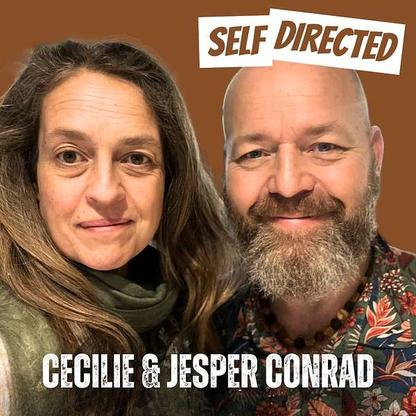




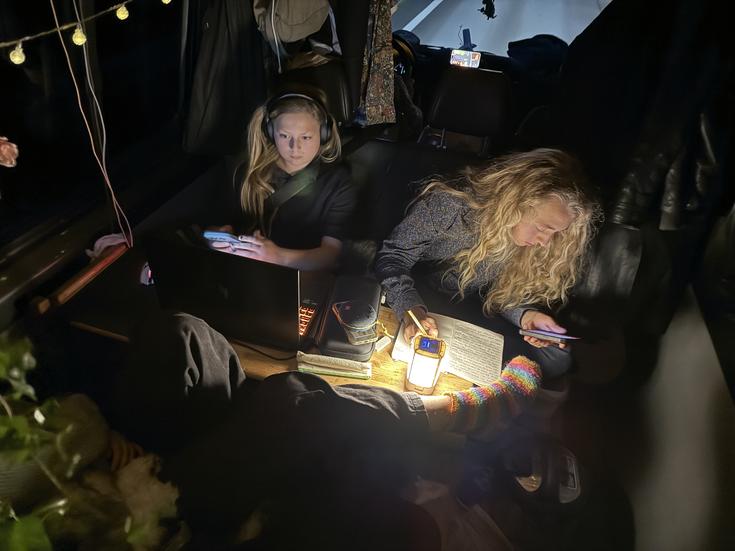
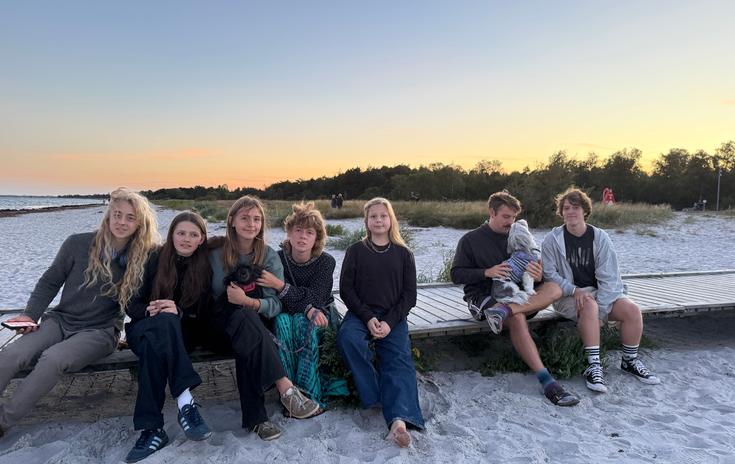

Comments