


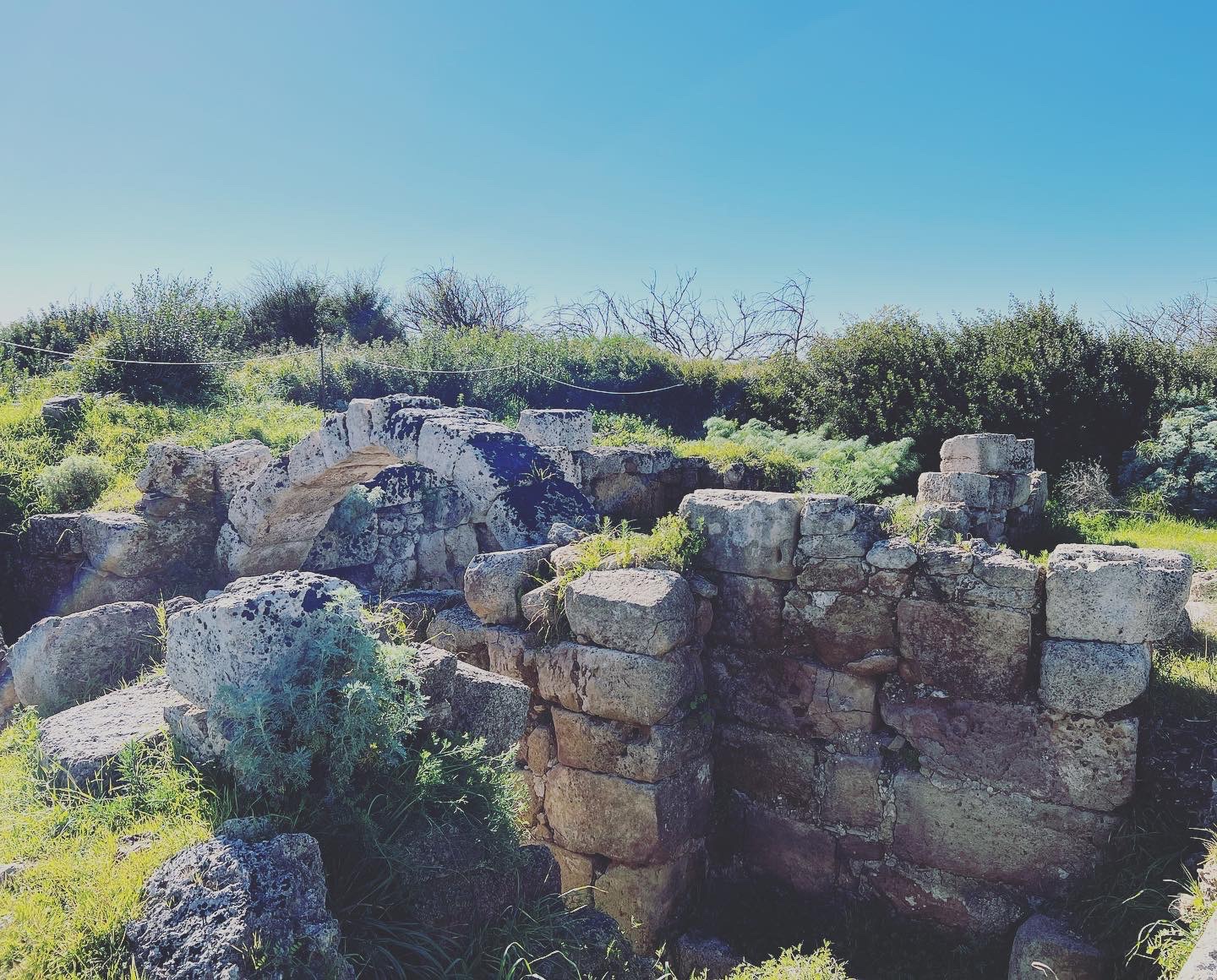
Selinunte has the remains of seven temples, one huge fortified castle, and a settlement of houses and streets. The place is huge. Even bigger than the Valley of Temples. It is also better done.
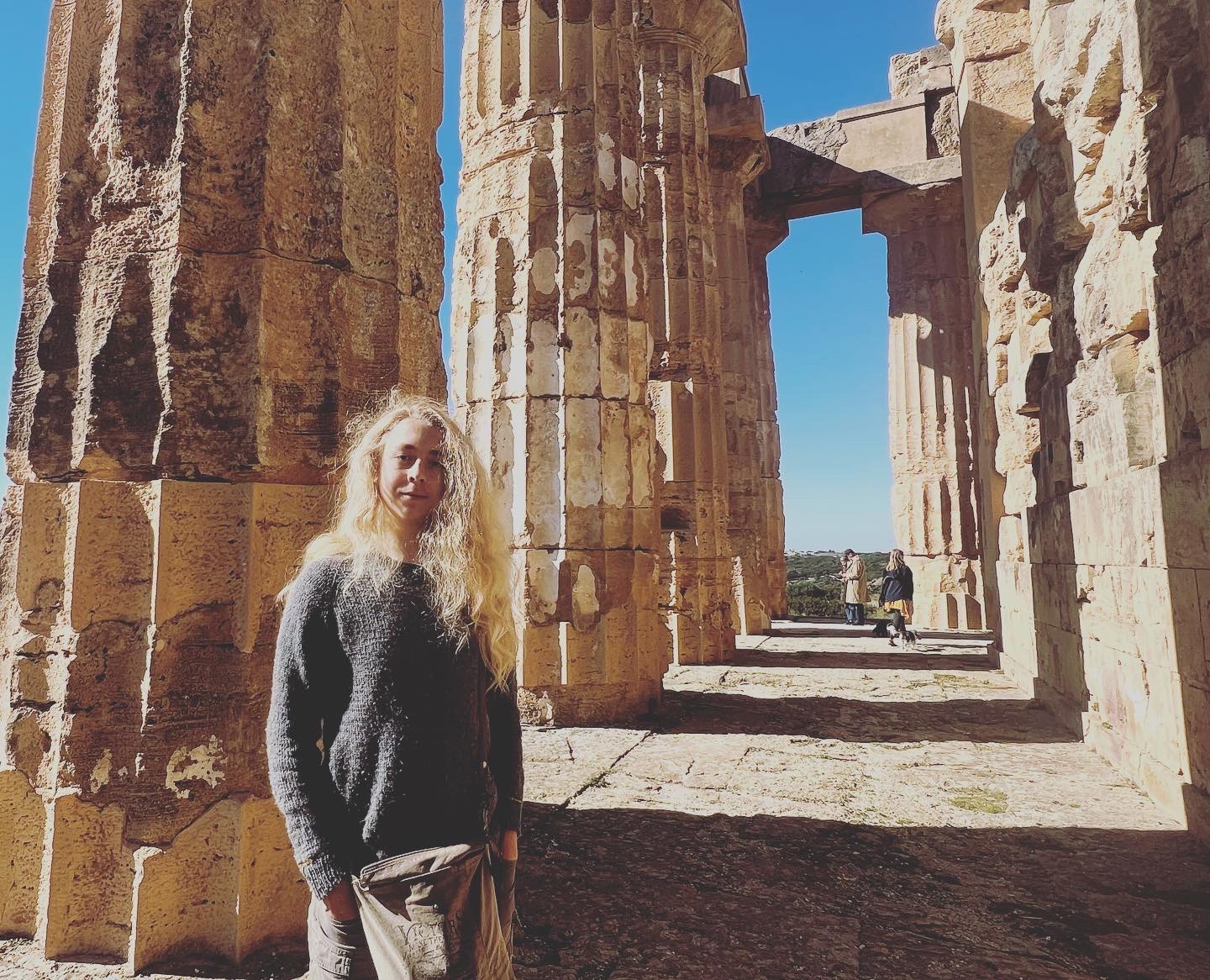
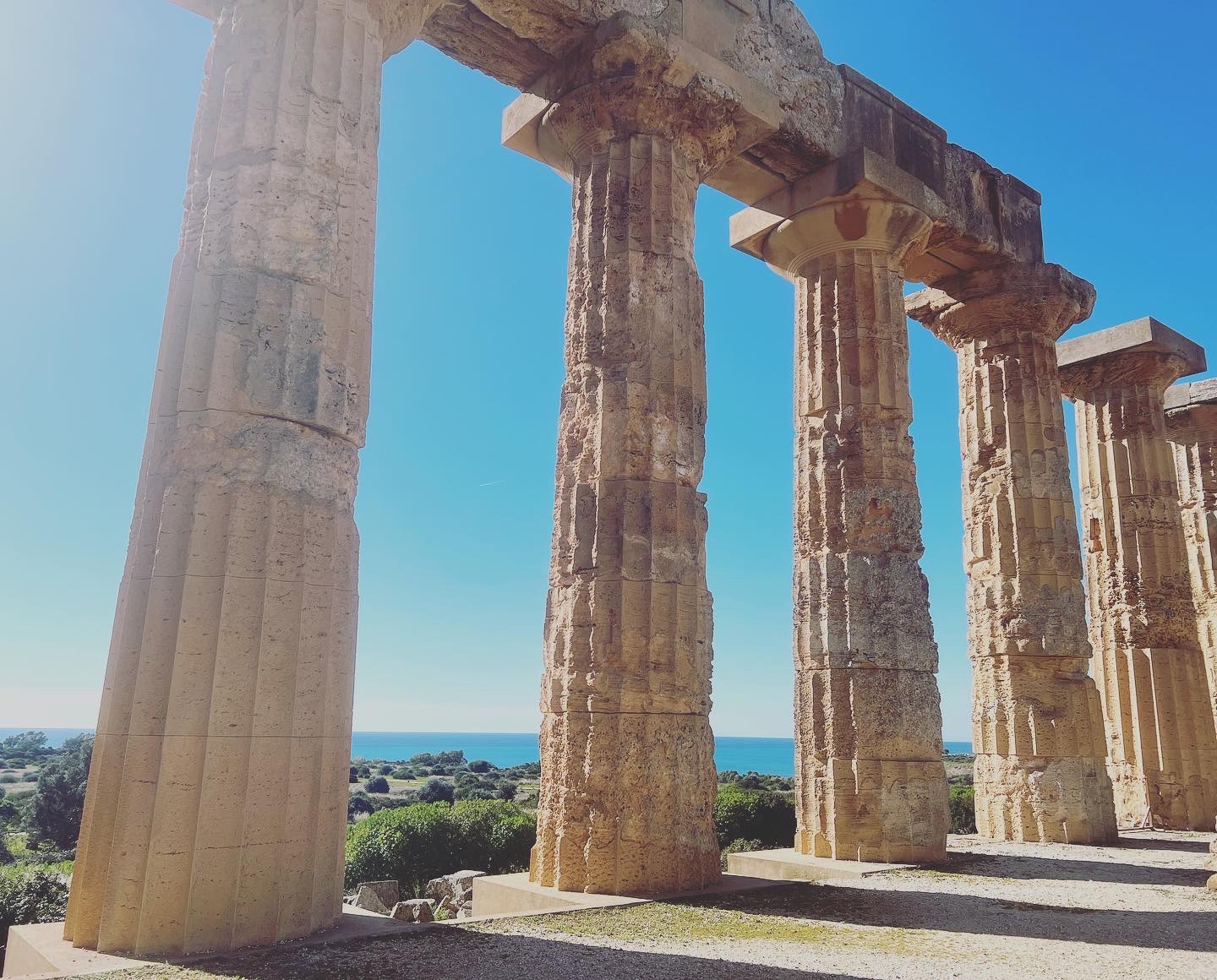
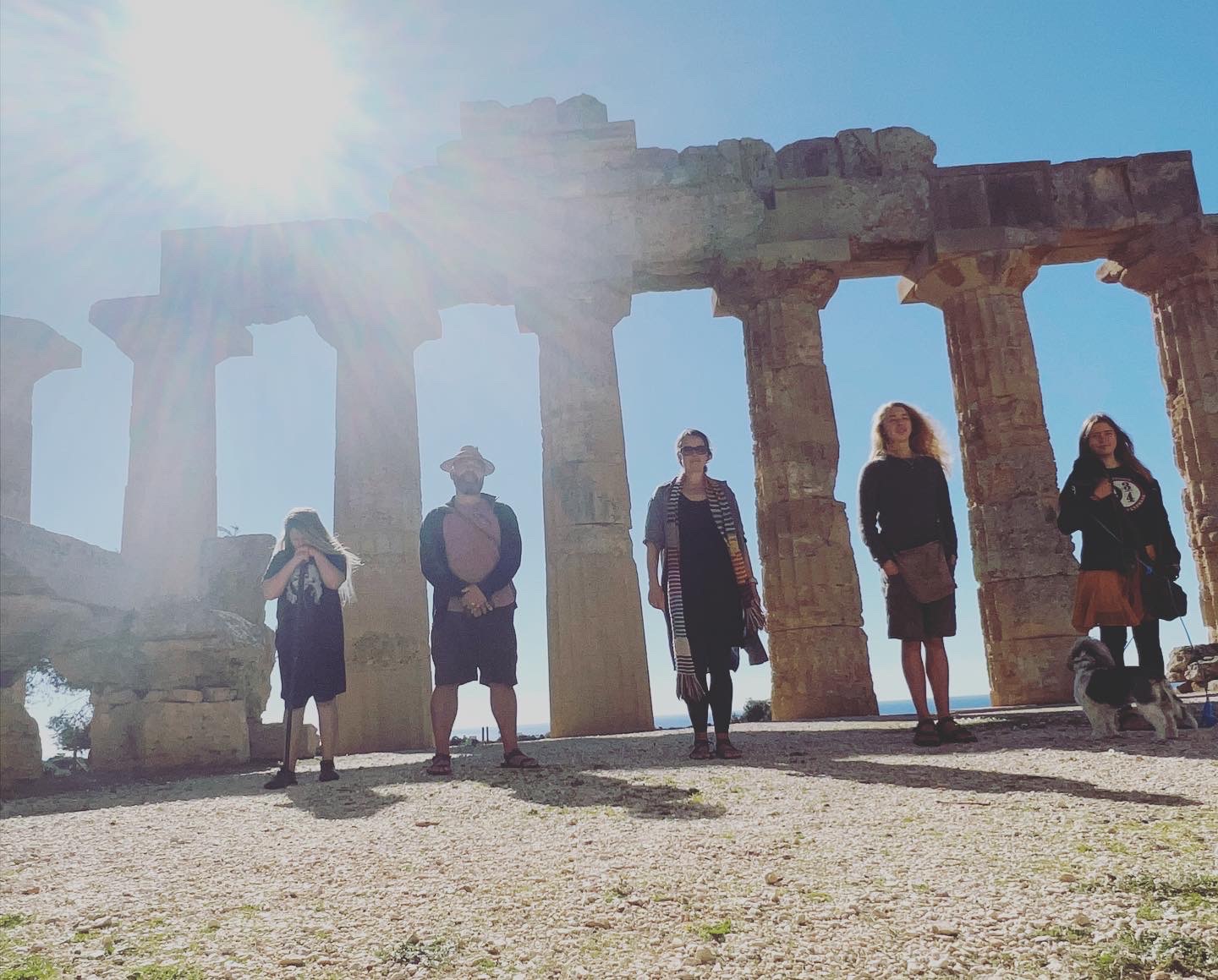
Entering, the first thing you see is the big Zeus temple, much like the one we saw a few days ago, but this one we were allowed to enter. We learned that the temples are reconstructed, probably also the ones in the Valley of Temples in Agrigento. The work was done in the 1950s, and it is beautifully done.
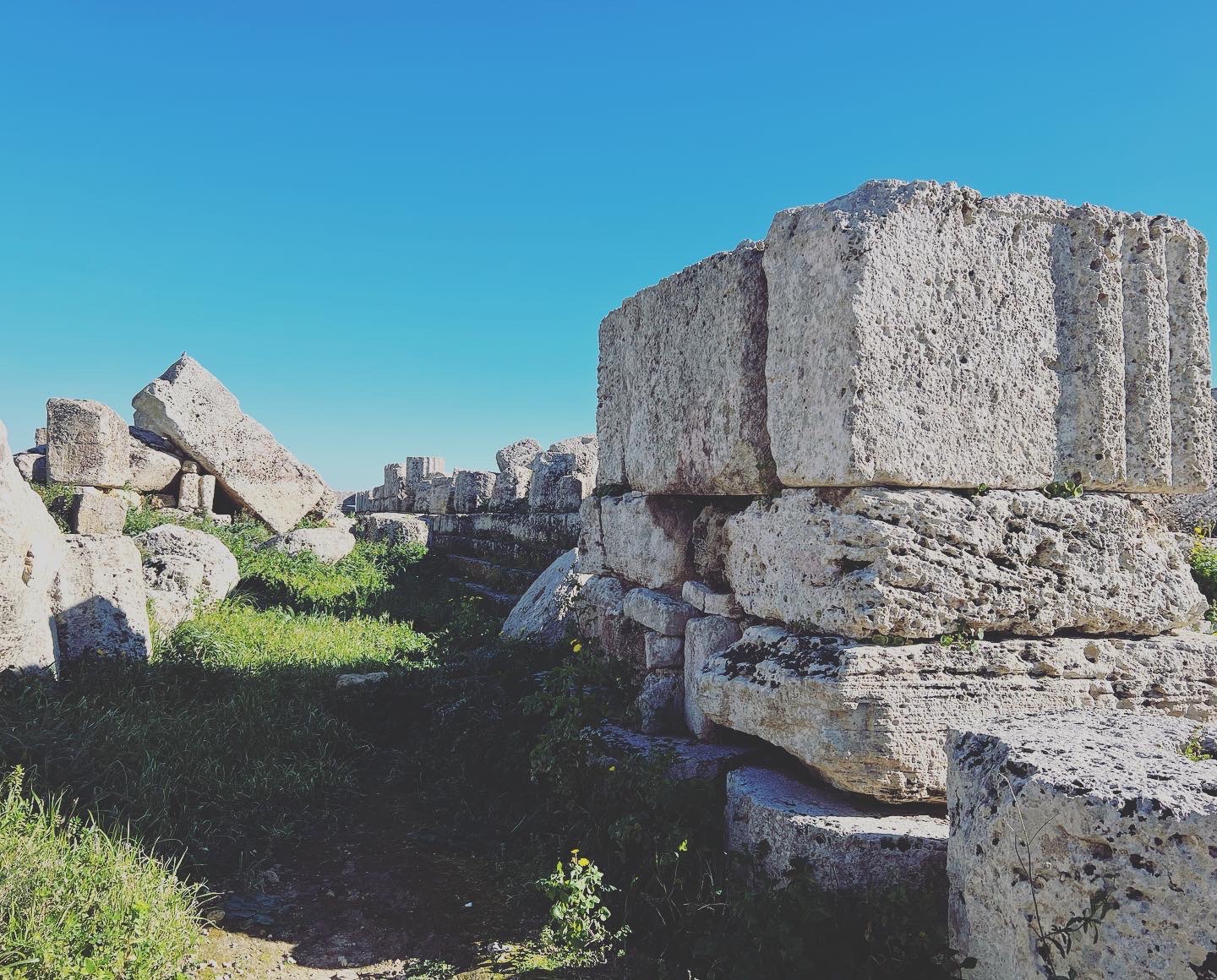
We discussed it. Is it cheating to do a reconstruction? We read all the info signs and understood how the work was done. How it was done in the first place, and how the reconstruction was carried out. In the end, we decided we are grateful for the reconstruction work. It has taught the archaeologists a lot about how the Greeks built their temples, and it gives us a much better impression of how the temples must have looked. They did not rebuild everything, just assembled the pieces found on site.
Only two of the seven temples were partly rebuilt. We learned how the Greeks came first, how the Carthaginians eventually defeated them, and how the Christians came after. There was a beautiful little place along the river where the Christians baptized newcomers. A magical, beautiful little sight in the context of all the temples.
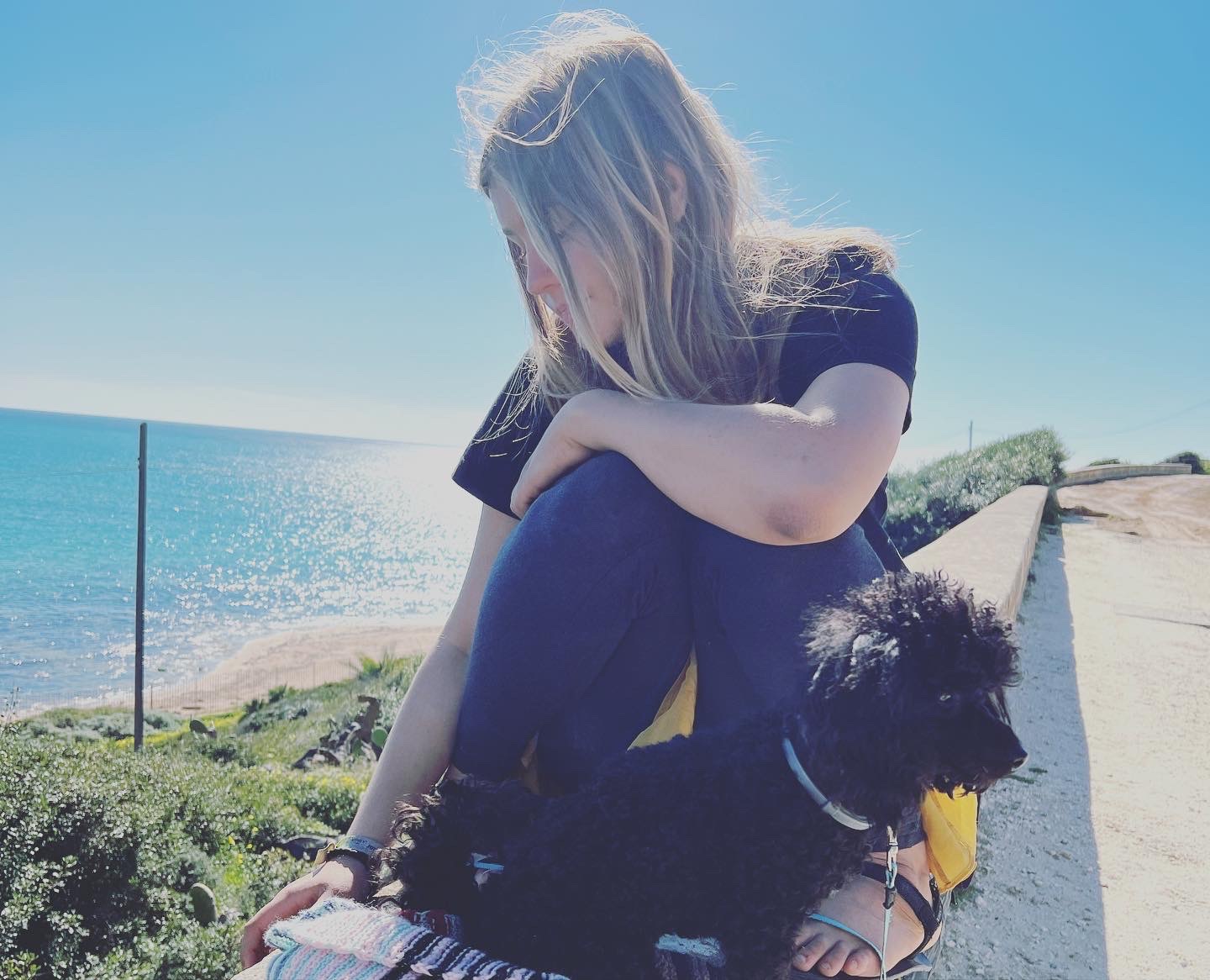
We walked in the sunshine; it was a beautiful day. Selinunte Archaeological Park is joined by a nature reserve, the walk to see all seven temples is long (about 7 kilometres), and the view of the ocean was perfect. A sunny February day gave us the perfect climate, a bit of cool wind and a lot of sunshine.
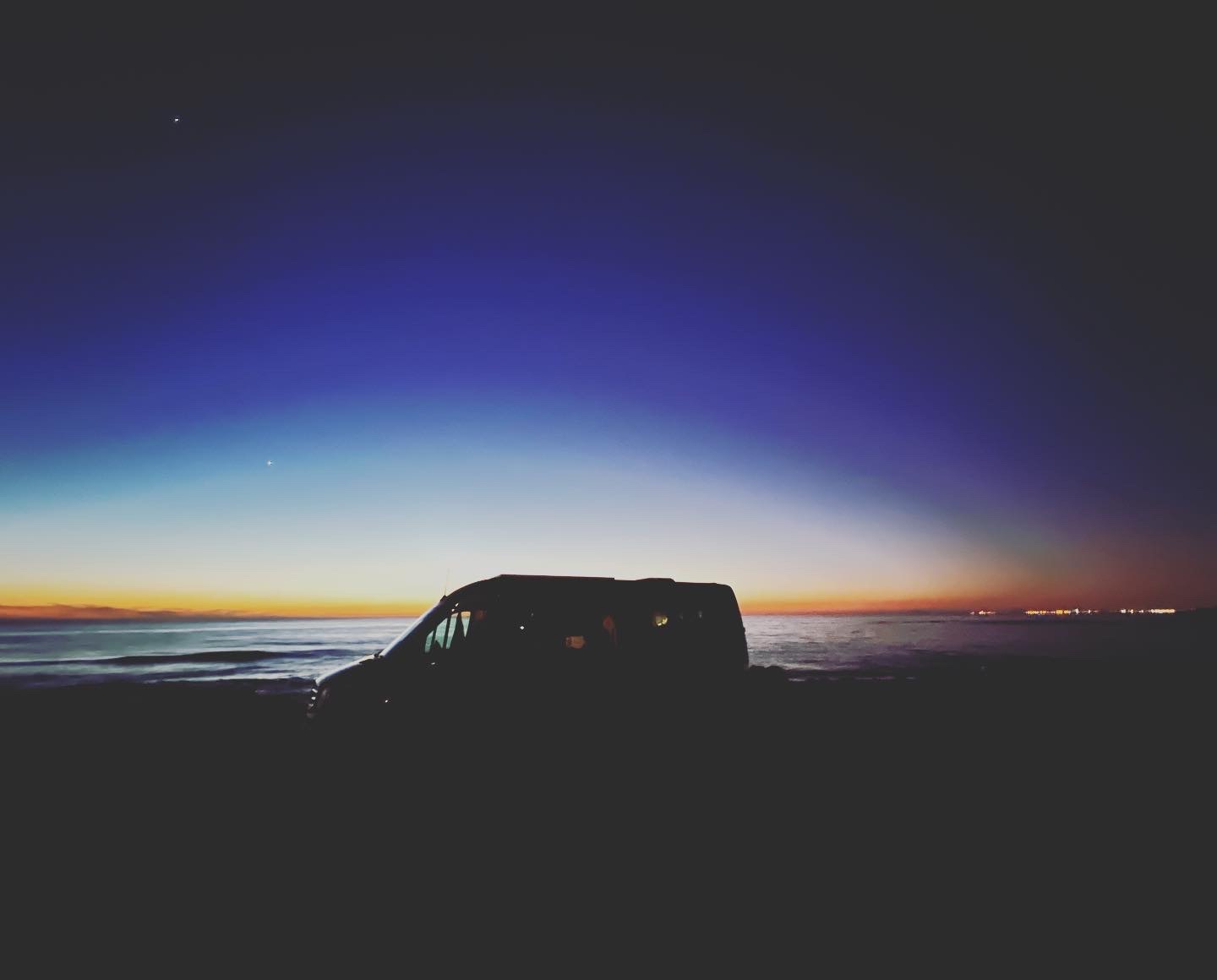
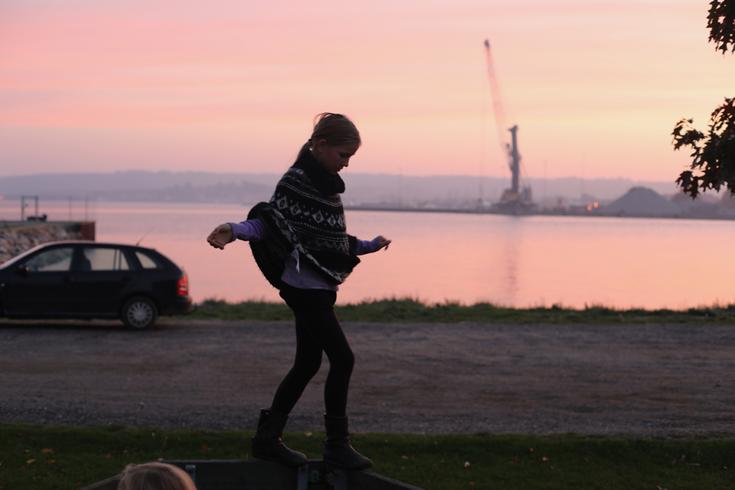
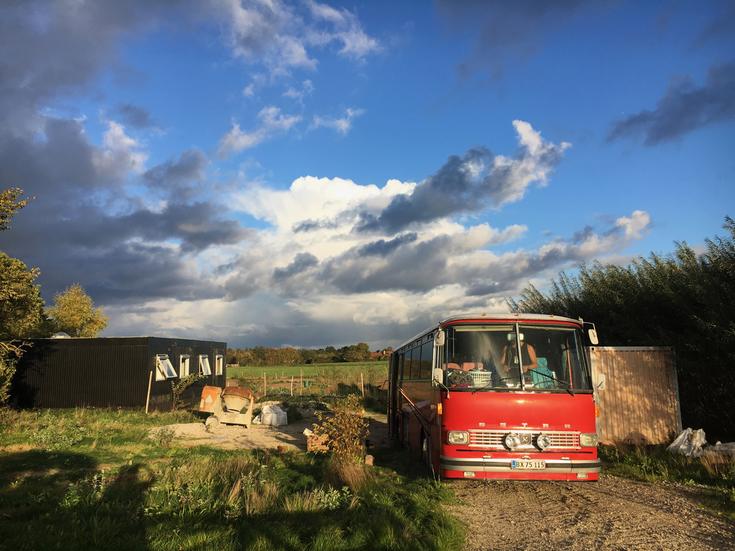
We were tired when we returned to the van, and we were hungry! Two oranges and a few crackers cannot keep five people going all day! Parking three metres from the ocean and cooking in the sunset was the perfect end to a beautiful day.
Written by Cecilie Conrad.
Read the article in Danish at CecilieConrad.dk.







Comments