

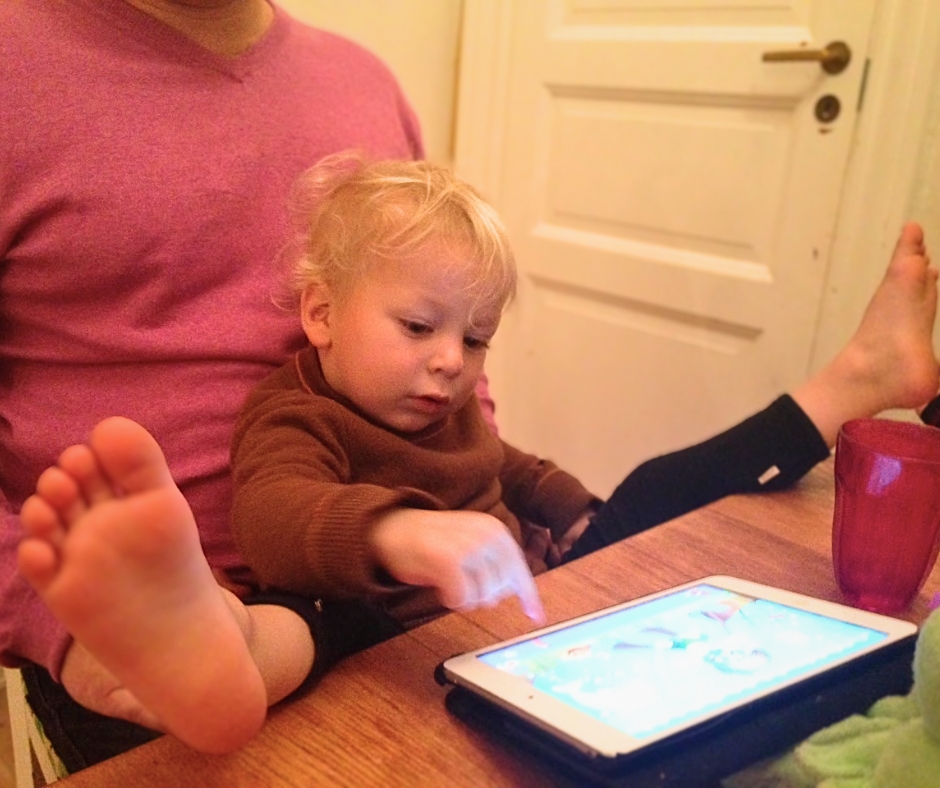
It is a fact that our children play computer games. The boys especially get hooked on computer games and play and play for hours on end.
Many parents have an ambivalent relationship with this. A very wise friend of mine recently said that "it is 100% a waste of time; there is nothing good in it at all". Hmmm. When I see those free games, I can be inclined to think the same, but on the other hand, I think we need to be a little more nuanced here.

There are a great many computer games. There are lots of terrible cheap games, and there are lots of fantastic adventures, challenging brainteasers, funny magical universes, challenging levels of every kind. There are all kinds of computer games, and here come the good reasons why our children should play computer games. And then a whole bunch of the games they should play.
When you play computer games, you train some pretty cool personal competencies. It has not been proven that these translate directly into other life situations, but there is absolutely nothing to suggest the opposite either, as far as we know. It is no different from believing that children can learn fractions in a math book and use them in practice ten years later when they go shopping.
When you play, you cultivate perseverance: you keep going and going and going until you succeed. It doesn't take a lot of adult pressure to get the children to fight on here; motivation is sky high. At the same time you are optimistic: in most cases you feel sure that in the end you will beat the "level", the adventure, whatever it is. You don't meet this optimism in the same way (almost entirely consistently) in boys who are struggling to learn to read. But funnily enough, they learn lots of words, letters and sentences in order to get through the computer games – in their world it isn't reading; it's just playing.

Children who play computer games with others throw themselves into trusting a community. Need I say more? That's the stuff. It is so fantastically important that we humans learn to rely on each other's efforts to solve shared tasks and challenges. If it's online games, the players choose to trust complete strangers. That is very healthy, I think. It is important that we trust that we can help each other reach the goal.
If you choose computer games with substance, I believe for these reasons that it is completely justifiable to let the children play lots of computer games. We are advocates of the children largely choosing for themselves which games they want to play – on the principle that if it interests them, there is probably something in it that is interesting.

In practice we do have some adult steering, though, but it is far more about ordinary wellbeing than about content. And actually not at all about whether the content is academic.
So, as with so much else from my hand, the overall advice is: try to relax a little and trust your children. Maybe the problem isn't a problem at all (and if it is, then give a longer leash to the games that at least have the brain-gym content).
Other articles about games.
For further thoughts on the significance of computer games, watch this TED talk
On good iPad apps, especially for the youngest children.
A top list for the slightly bigger ones
Written by Cecilie Conrad. Translated from Danish. The original article is available at CecilieConrad.dk.













Comments